Why Jewelry Can Be a Smart Investment — If You Know How to Play It Right
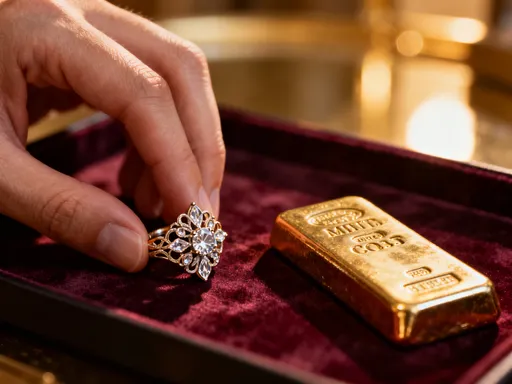
Many people see jewelry as just a luxury or sentimental item, but I’ve learned it can also be a powerful asset. Over the years, I’ve tested different investment paths and found that high-quality pieces, when chosen wisely, hold and even grow in value. It’s not about flashy trends — it’s about understanding craftsmanship, materials, and market demand. Certain diamonds, rare gemstones, and fine metals have demonstrated resilience across economic cycles. Unlike digital assets or paper investments, jewelry is tangible, portable, and universally recognized. This is a real, tangible way to diversify wealth, but only if you avoid common pitfalls such as overpaying, ignoring authenticity, or chasing fads without regard for long-term value.
The Hidden Value Behind the Sparkle
Jewelry occupies a unique space in the world of personal finance. While often viewed through the lens of fashion or emotion, high-caliber pieces serve a deeper economic function — they are physical stores of value, much like gold bullion or fine art. During periods of inflation or market volatility, tangible assets often gain appeal because they are not subject to the same fluctuations as equities or bonds. A well-crafted piece made with gold, platinum, or rare gemstones can maintain its worth over decades, even centuries. This durability is rooted in scarcity and enduring demand. Precious metals are finite resources, and ethically sourced, high-quality gemstones grow rarer with time. When these materials are combined with expert artisanship, the resulting object transcends decoration and becomes an asset.
Yet not all jewelry shares this potential. The distinction lies between mass-market accessories and investment-grade items. A costume necklace from a department store, while stylish, has no intrinsic value and will not appreciate. In contrast, a platinum diamond solitaire from a respected maker carries weight beyond aesthetics. Its value is anchored in the purity of the metal, the cut and clarity of the stone, and the reputation of the designer. These are measurable, verifiable qualities that collectors and institutions recognize. Over time, such pieces can increase in worth due to rising material costs, growing collector interest, or historical significance.
Another advantage of jewelry as an asset is its portability and privacy. Unlike real estate, which requires public records and ongoing maintenance, or stocks tied to brokerage accounts, fine jewelry can be securely stored and transported with minimal footprint. This makes it an appealing option for wealth preservation, especially in uncertain economic climates. However, this same portability introduces risk — loss, theft, or damage can erase value instantly. That is why ownership must be paired with responsible practices, including proper documentation, insurance, and secure storage. The hidden value behind the sparkle is not just in the materials but in the discipline of stewardship.
What Makes Jewelry an Investment-Grade Asset?
To qualify as a true investment, jewelry must meet specific criteria that go beyond beauty. First and foremost is material quality. Investment-grade pieces are typically crafted from high-purity precious metals — 18-karat gold or higher, platinum, or sterling silver with verifiable hallmarks. These metals have inherent market value based on global commodity prices, which provides a baseline for appraisal. A 2023 report from the World Gold Council noted that gold-backed assets have outperformed major stock indices during periods of high inflation, reinforcing the metal’s role as a financial stabilizer. When gold or platinum is used in jewelry, it carries that same underlying strength.
Equally important are the gemstones. Natural, untreated diamonds, sapphires, rubies, and emeralds with certification from reputable laboratories such as the Gemological Institute of America (GIA) or the American Gem Society (AGS) are far more likely to retain or increase value. These reports confirm critical attributes like carat weight, color, clarity, and cut — the so-called “four Cs” for diamonds. A certified 2-carat D-color flawless diamond will always command a higher price than an uncertified stone of similar appearance, simply because its quality is independently verified. Synthetic or lab-grown stones, while increasingly popular for ethical and cost reasons, generally do not appreciate in value and are not considered investment assets.
Provenance and design also elevate a piece’s status. Jewelry from renowned houses such as Cartier, Van Cleef & Arpels, or Bulgari often commands premiums not only for craftsmanship but for brand legacy. Limited editions, signed pieces, or items with documented ownership history — such as those once owned by public figures or exhibited in museums — can achieve extraordinary valuations at auction. For example, a vintage Cartier Tutti Frutti bracelet sold for over $1 million at Sotheby’s in 2022, far exceeding its pre-sale estimate. Such outcomes are not accidental; they reflect decades of brand consistency, artistic excellence, and collector demand.
Finally, craftsmanship is non-negotiable. Investment-grade jewelry is hand-finished, with precise stone settings, balanced proportions, and attention to detail. Mass-produced items, even if made with real gold and diamonds, lack the individuality and labor intensity that collectors value. A hand-engraved platinum band with micro-pavé detailing is more likely to appreciate than a machine-fabricated version with identical specs. The combination of rare materials, expert making, and documented authenticity transforms jewelry from mere ornament into a legitimate financial holding.
How to Spot Pieces That Hold (or Grow) Value
Identifying value in jewelry requires both knowledge and discernment. The first step is learning to read the physical indicators of quality. Hallmarks — small stamps on the inside of a ring band or clasp — reveal the metal’s purity. In the United States, “750” indicates 18-karat gold, while “950” denotes platinum. These marks should be clear and consistent. Faint or missing hallmarks may signal lower quality or even counterfeit items. Similarly, gemstones should come with certification. A GIA report, for instance, provides a detailed analysis of a diamond’s characteristics and is widely accepted as the industry standard. Without such documentation, even a visually stunning stone may be difficult to resell at fair market value.
Market data is another essential tool. Platforms like auction archives, resale marketplaces, and price guides offer insight into which styles and makers consistently perform well. For example, vintage Art Deco diamond rings have seen steady demand over the past decade, with prices rising by an average of 5% annually according to Christie’s market analysis. In contrast, trendy halo settings from the 2010s have plateaued, reflecting shifting consumer preferences. By studying these trends, buyers can avoid pieces that may lose appeal and instead focus on timeless designs with enduring appeal.
Designer signatures significantly influence long-term value. A signed piece from a master jeweler like JAR (Joel Arthur Rosenthal) or David Webb can fetch multiples of its original price, even decades later. These designers are known for their innovation, exclusivity, and meticulous attention to detail. Their works are collected like fine art, with waiting lists and limited production runs. Even within mainstream brands, certain lines — such as Tiffany & Co.’s Schlumberger collection or Bulgari’s Serpenti — have strong secondary market performance. These are not mere accessories; they are cultural artifacts with built-in collector bases.
Building relationships with trusted professionals is equally important. Reputable jewelers, appraisers, and auction specialists can identify undervalued opportunities before they become widely known. For instance, an estate sale might offer a vintage sapphire ring with French hallmarks at a fraction of its replacement cost. An experienced eye can recognize the piece’s origin and potential, allowing for a strategic purchase. Over time, cultivating these connections provides access to private sales and pre-market inventory, giving investors an edge. The ability to spot value is not innate — it is developed through education, observation, and expert guidance.
The Risks Most Investors Overlook
Despite its appeal, jewelry investing carries risks that are often underestimated. The most obvious is physical vulnerability. Unlike stocks or bonds, jewelry can be lost, stolen, or damaged. A diamond may chip if struck at the right angle, or a gold chain may break under stress. These risks necessitate proper insurance — not standard homeowner’s policies, which often have low coverage limits for jewelry, but specialized fine art or personal property insurance with agreed-value terms. Without adequate protection, a single incident can erase years of value accumulation.
Liquidity is another challenge. While stocks can be sold in minutes, selling jewelry often takes time and effort. Finding a reputable buyer, obtaining appraisals, and negotiating a fair price all add friction. In urgent situations, sellers may be forced to accept offers well below market value. Auction houses typically charge seller’s commissions of 10–20%, further reducing net proceeds. This illiquidity means jewelry should never be treated as an emergency fund or short-term investment. It is best suited for long-term wealth preservation, where time allows for optimal sale conditions.
Market sentiment also plays a role. Jewelry values are influenced by fashion cycles, economic conditions, and global demand. For example, during the 2008 financial crisis, luxury goods saw a temporary dip in prices, though high-end pieces recovered within a few years. Conversely, in times of economic stability, demand for rare gemstones often increases. Consumer preferences shift as well — rose gold was highly sought after in the mid-2010s but has since cooled in popularity. Investors who buy based on trend rather than timeless design may find their assets depreciating.
Emotional bias is perhaps the most subtle but dangerous risk. Jewelry is often tied to personal milestones — engagements, anniversaries, inheritances — which can cloud financial judgment. A buyer may overpay for a piece because of its sentimental value, ignoring objective metrics like resale potential or market comparables. Similarly, owners may hesitate to sell even when market conditions are favorable, hoping for higher prices that may never come. Detaching emotion from investment decisions is crucial. Treating jewelry as a financial asset, not just a keepsake, enables more rational and profitable outcomes.
Maximizing Returns: Buy Low, Sell Smart
Profit in jewelry investing comes not from luck, but from strategy. One of the most effective ways to build a valuable collection is to buy pre-owned or estate pieces. These items often sell for 30–50% below their original retail price, allowing investors to acquire high-quality materials and design at a discount. Unlike new jewelry, which suffers immediate depreciation — sometimes up to 40% upon purchase — secondhand pieces have already absorbed that initial loss. This creates a more favorable entry point for long-term appreciation.
Private sales, estate auctions, and trusted resellers are ideal sources. These channels often lack the overhead of retail stores, enabling lower prices. Online platforms like 1stDibs or Sotheby’s Home offer curated selections with authentication, reducing the risk of fraud. Buyers should still conduct due diligence, requesting independent appraisals when necessary. Attending estate sales or working with probate jewelers can uncover hidden gems — literally — such as forgotten heirlooms or misattributed designer pieces. With research and patience, it is possible to acquire investment-grade jewelry at a fraction of its true worth.
Selling requires equal care. Timing the market improves outcomes. For example, demand for colored gemstones tends to rise during economic expansions, while gold prices often climb during uncertainty. Monitoring these trends helps identify optimal sale windows. Using reputable auction houses or specialized dealers increases the likelihood of fair pricing and broad exposure. Private treaty sales, where a piece is offered discreetly to select collectors, can also yield premium results, especially for rare or high-value items.
Patience is a key ingredient. Quick flips rarely succeed in the jewelry market. Holding a quality piece through market cycles — five, ten, or even twenty years — allows value to compound. A 2021 study by Bain & Company found that high-end jewelry prices increased by an average of 3.8% annually over the past two decades, outpacing inflation. Those who bought a well-chosen piece in 2000 and held it to 2020 likely saw meaningful gains, even without active trading. Strategic buying and disciplined selling turn jewelry from a passive possession into an active wealth-building tool.
Diversification: Where Jewelry Fits in Your Portfolio
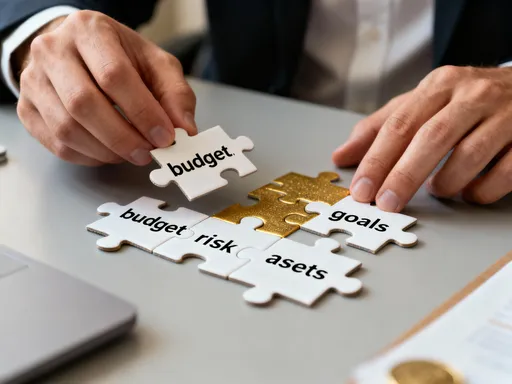
Jewelry should not replace traditional investments like stocks, bonds, or real estate, but it can play a meaningful role in a diversified portfolio. Financial advisors often recommend allocating 5–10% of assets to alternative investments, including precious metals, art, and collectibles. Jewelry fits naturally within this category. Its value tends to move independently of stock markets, offering a hedge against volatility. During periods of high inflation, for example, the price of gold and rare gemstones often rises, offsetting losses in other areas.
This low correlation is a key benefit. When equities decline, tangible assets may hold steady or even gain. This balance reduces overall portfolio risk without sacrificing long-term growth potential. Jewelry also provides psychological comfort — it is something you can see and touch, unlike digital balances or paper certificates. For many investors, especially those wary of market fluctuations, this tangibility enhances confidence in their financial strategy.
However, it is important to view jewelry as a long-term, illiquid reserve rather than a source of regular income. It does not generate dividends or interest. Its value is realized only upon sale, which may take time. Regular portfolio reviews ensure that jewelry holdings remain aligned with financial goals. For instance, as retirement approaches, an investor might choose to liquidate select pieces to fund lifestyle expenses. Alternatively, jewelry can be passed down as part of an inheritance plan, preserving both wealth and memory.
The goal is balance. A portfolio that includes a vintage emerald brooch, a pair of antique diamond earrings, and a modern platinum band is not just financially diversified — it is culturally and emotionally enriched. When chosen with care, jewelry adds depth, resilience, and beauty to a financial life. It is not a substitute for prudent investing, but a complementary layer that enhances overall stability.
Final Thoughts: Building Wealth, One Piece at a Time
Jewelry investing is not a shortcut to riches. It is a disciplined, knowledge-driven approach to wealth preservation and growth. Success comes from understanding materials, recognizing quality, and resisting emotional impulses. It requires patience — the willingness to hold through market cycles and avoid the temptation of quick profits. When done correctly, it offers both aesthetic pleasure and financial benefit, merging personal taste with long-term strategy.
No asset is risk-free, and jewelry is no exception. It demands care, documentation, and professional guidance. Investors should always consult qualified appraisers, insurers, and financial advisors before making significant purchases. They should never invest more than they can afford to hold for the long term. Emotional attachment should not override financial logic. By treating jewelry as a serious asset class, not just a decorative object, individuals can unlock its full potential.
In the end, the most valuable piece is not always the most expensive one. It is the one chosen with wisdom, maintained with care, and passed on with intention. Whether it’s a diamond ring, a sapphire pendant, or a platinum bracelet, jewelry can become more than a statement of style — it can become a legacy of thoughtful stewardship. With the right approach, your next purchase could be the first step toward building lasting wealth, one timeless piece at a time.