This Road Trip to Guadalajara’s Wild Side Was Absolutely Unforgettable
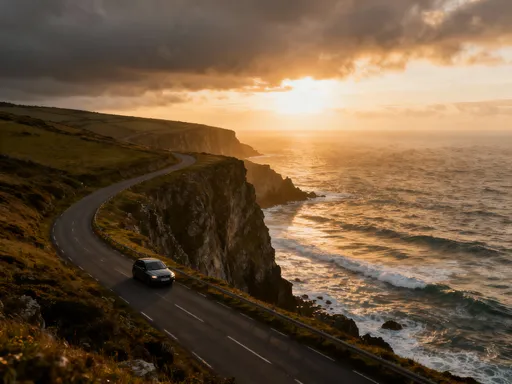
You know that feeling when you crave freedom, fresh air, and wide-open spaces? I packed up my car one morning and hit the road from Guadalajara with no strict plan—just a tank full of gas and a hunger for nature. What I found was mind-blowing: volcanic landscapes, misty pine forests, and hidden lakes that felt like another world. Self-driving gave me the ultimate freedom to explore Mexico’s wild beauty at my own pace. The city’s vibrant streets faded in the rearview mirror as I climbed into cooler altitudes, where the scent of pine replaced exhaust and the horizon stretched endlessly. This journey wasn’t about ticking off tourist spots—it was about reconnection, stillness, and the quiet thrill of discovery. And it all began just an hour from one of Mexico’s largest urban centers.
Why Guadalajara is the Perfect Launchpad for a Nature-Fueled Road Adventure
Often celebrated for its mariachi music, colonial architecture, and rich culinary traditions, Guadalajara is also a gateway to some of western Mexico’s most breathtaking natural landscapes. Nestled in the state of Jalisco, the city sits at the crossroads of diverse ecosystems—highland forests, volcanic plateaus, freshwater lakes, and grassy highlands—all within a two- to three-hour drive. This unique geographical position makes it an ideal base for travelers seeking both cultural immersion and wild escape. Unlike destinations where nature feels distant or difficult to reach, Guadalajara offers the rare privilege of transitioning from urban energy to serene wilderness in a single morning.
Within 90 minutes, you can leave behind the rhythm of city life and find yourself hiking through fog-draped pines or standing at the edge of a crater-shaped lake formed by ancient eruptions. The proximity to protected areas like the Sierra de Manantlán Biosphere Reserve and the diverse microclimates of the Trans-Mexican Volcanic Belt means that every direction offers a different ecological story. Whether you head east toward the highlands, north into rolling ranchlands, or south along the shores of Lake Chapala, the terrain shifts dramatically, revealing Mexico’s geological complexity.
For families, solo travelers, or couples looking to unwind, this accessibility is transformative. There’s no need for flights, complicated permits, or multi-day treks to experience authentic natural beauty. A well-maintained highway network connects the city to rural towns that serve as entry points to trails, viewpoints, and local eco-tourism initiatives. The blend of convenience and adventure makes Guadalajara not just a cultural capital, but a launching pad for personal renewal through nature.
The Magic of Hitting the Road: Freedom, Flexibility, and Spontaneity
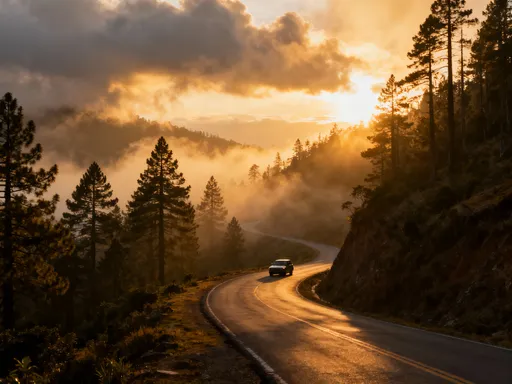
There’s a quiet magic in turning the key, feeling the engine hum to life, and pointing your car toward the horizon with nothing but possibility ahead. Self-driving unlocks a form of travel that is deeply personal and refreshingly unscripted. Unlike guided tours or fixed itineraries, a road trip allows you to respond to the moment—to stop at a roadside fruit stand bursting with mangoes and prickly pears, to linger at a mountain overlook as clouds drift below you, or to change course entirely when a local recommends a hidden spring just off the main road.
This kind of spontaneity is especially powerful when exploring natural landscapes. Weather, light, and seasonal changes play a significant role in how these environments reveal themselves. A foggy morning in the highlands can transform a pine forest into a dreamlike realm, while a clear dusk might offer a sky so star-filled it feels like you’re floating in space. With your own vehicle, you’re not bound by schedules or group pace. You can wake before dawn to catch the first light on a lake, or stay out late watching meteor showers in a remote valley where city lights don’t intrude.
Flexibility also means comfort. Travelers can carry exactly what they need—extra layers for chilly mountain nights, picnic supplies, hiking boots, or even a thermos of hot chocolate. For parents traveling with children, the ability to set your own rhythm, take breaks when needed, and adapt to moods and energy levels makes the journey as enjoyable as the destination. The car becomes more than transportation; it’s a mobile basecamp, a shelter, and a companion on the road to discovery.
Journey into the Sierra Madre: Pine Forests and Highland Escapes
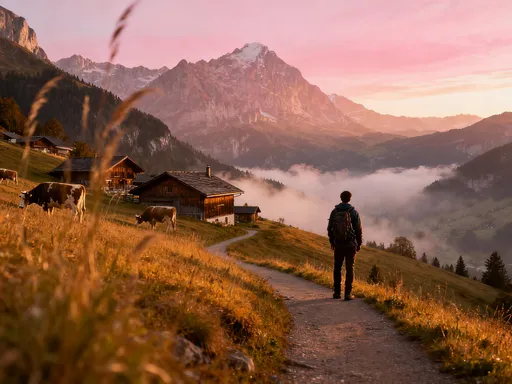
One of the most rewarding drives from Guadalajara leads eastward into the foothills of the Sierra Madre Occidental, a vast mountain range that stretches across northern and western Mexico. As you ascend from the city’s 5,000-foot elevation, the air grows cooler and the landscape transforms. Lush pine and oak forests blanket the slopes, their canopies filtering sunlight into dappled patterns on winding roads. Towns like Mazamitla and Jocotepec, often called “pueblos mágicos” for their charm and preserved architecture, serve as gateways to this alpine world.
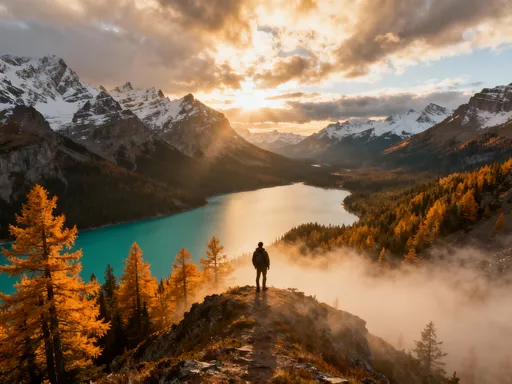
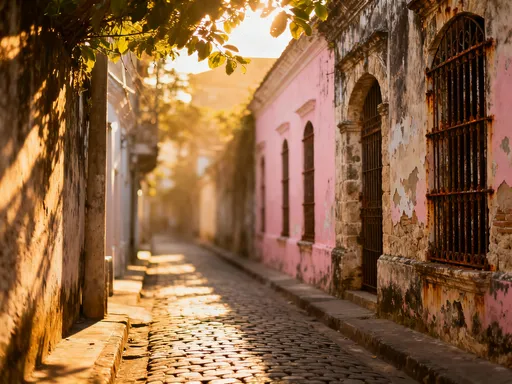
Mazamitla, in particular, is a favorite among locals seeking respite from the heat. Cobblestone streets, wooden balconies, and stone chapels give it a storybook quality, but the real treasures lie just beyond town. Short hiking trails lead into dense woodland where the only sounds are rustling leaves and distant bird calls. The scent of damp earth and pine resin fills the air, especially after a morning rain. At higher elevations, mist often lingers in the valleys, creating an ethereal atmosphere that feels far removed from modern life.
The roads leading to these highland towns are well-paved and suitable for standard passenger vehicles, though they do include winding sections that require attentive driving. Fortunately, there are numerous safe pull-offs where travelers can stop to take photographs, stretch their legs, or simply breathe in the crisp mountain air. These pauses are often the most memorable moments—watching a red-tailed hawk circle above a canyon, or seeing sunlight break through the clouds to illuminate a distant ridge.
For those willing to venture a little further, the Sierra’s higher reaches offer opportunities for birdwatching, nature photography, and quiet contemplation. The region is home to species like the white-tailed deer, foxes, and a variety of migratory birds. Conservation efforts have helped protect these habitats, and many local guides offer low-impact eco-tours that emphasize respect for the environment. The experience is not about conquest or adrenaline, but about presence—about slowing down and letting the mountains speak.
Lagos de Moreno & the Forgotten Highlands: Off-the-Beaten-Path Wonders
Heading northeast from Guadalajara, the landscape opens into a different kind of beauty—the rolling grasslands and gentle hills surrounding Lagos de Moreno. This region, part of the broader Bajío area, feels like a forgotten chapter of Mexico, where time moves more slowly and the rhythms of rural life remain intact. Cattle graze on golden pastures, historic haciendas stand behind iron gates, and dirt roads meander toward distant mesas that rise like ancient sentinels.
What makes this area special is its authenticity. Unlike more commercialized destinations, Lagos de Moreno and its surroundings see fewer international tourists, which means travelers often experience genuine hospitality and unfiltered cultural moments. A simple stop at a village market might lead to a conversation with a local farmer selling homemade cheese or handwoven blankets. These interactions, brief as they may be, add depth to the journey and remind us that travel is as much about people as it is about places.
Geologically, the region is part of a high plateau shaped by volcanic activity millions of years ago. While the eruptions here were less dramatic than those near the capital, they left behind fertile soil and subtle topographical variations—low ridges, seasonal streams, and shallow valleys that create a patchwork of micro-environments. In spring, wildflowers bloom in unexpected bursts of color, and in late summer, the rains bring temporary ponds that attract birds and amphibians.
Driving through this area feels peaceful, almost meditative. Traffic is light, and the roads—though occasionally unpaved—are generally passable with a regular car, especially in dry conditions. The solitude is striking. You might drive for miles without seeing another vehicle, only the occasional horseback rider or farmer on a bicycle. This sense of space and quiet is increasingly rare, and for many, it’s precisely what they’re searching for—a break from noise, screens, and constant connectivity.
Volcanic Landscapes: The Otherworldly Terrain Around Lake Chapala and Beyond
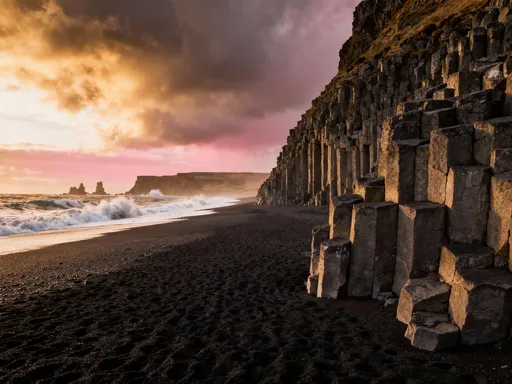
To the south of Guadalajara lies one of Mexico’s most fascinating geological zones—the area surrounding Lake Chapala and the Ajusco-Chapala volcanic corridor. As the country’s largest freshwater lake, Chapala is well-known, but fewer visitors explore the rugged terrain that borders it, where ancient lava flows have sculpted a surreal landscape. Black basalt ridges snake across the hills, and jagged rock formations stand like ruins from another planet. These features are remnants of volcanic activity that shaped central Mexico over millennia, long before human settlement.
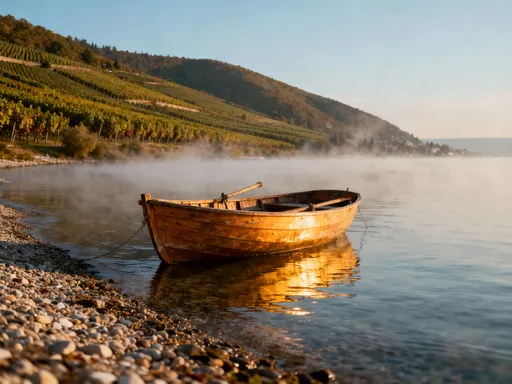
A drive along the southern rim of the lake reveals dramatic contrasts—the deep blue water framed by cracked, charcoal-colored earth. Short hiking trails lead up to vantage points where you can see how the lava once poured from fissures in the earth, cooling into twisted columns and hollow caves. In the early morning, when the mist rises off the lake, the scene feels almost mystical. The light plays across the rock faces, highlighting textures and shadows that shift with every passing cloud.
One of the most striking formations is near the town of Jamay, where the volcanic field meets the lake’s edge. Here, the land appears to have been folded and broken by immense underground forces. Geologists believe this area sits on a tectonic boundary, making it a living laboratory of earth’s movements. While there are no active volcanoes nearby, the terrain serves as a powerful reminder of the dynamic forces beneath our feet.
Photographers and nature enthusiasts will find endless inspiration in these contrasts—water and fire, stillness and upheaval, life and mineral. The region also supports unique plant life, including hardy succulents and shrubs that have adapted to the rocky soil. Birdwatchers may spot herons, kingfishers, and even the occasional osprey diving for fish. It’s a place that invites reflection on time, change, and resilience.
Hidden Lakes and Natural Springs: Where the Mountains Breathe
Among the most refreshing discoveries on a road trip from Guadalajara are the lesser-known bodies of water tucked into the hills—hidden lakes and natural springs that offer cool relief and moments of pure tranquility. While Lake Chapala draws the crowds, smaller gems like Lake Cajititlán and the thermal springs near Tepozán remain under the radar, accessible only by car and often requiring a short walk from a roadside stop.
Lake Cajititlán, located southeast of the city, is a quiet crater lake surrounded by farmland and low hills. Its waters are calm and reflective, especially in the early hours. Local conservation groups have worked to protect its ecosystem from pollution and overuse, and visitors are encouraged to follow “leave no trace” principles. A path circles part of the shore, offering views of waterfowl and the occasional turtle basking on a rock. It’s the kind of place where time slows, and the mind quiets.
Further afield, the thermal springs near Tepozán provide a different kind of rejuvenation. Fed by underground aquifers heated by geothermal activity, these warm pools are nestled in a secluded valley. The water, rich in minerals, is believed to have soothing properties for muscles and joints—perfect after hours of driving or hiking. Facilities are simple, often run by local families, and the atmosphere is relaxed and unhurried. Visitors are asked to respect the site by avoiding soap or lotions in the water and keeping noise levels low.
These water sources are not just scenic—they are vital parts of the region’s ecology. They support diverse plant and animal life, replenish groundwater, and have sustained rural communities for generations. Responsible visitation means staying on marked trails, packing out all trash, and following local guidelines. When we treat these places with care, we ensure they remain sanctuaries for future travelers.
Practical Tips for a Smooth and Safe Self-Drive Nature Expedition
While the freedom of a self-drive adventure is exhilarating, preparation is key to ensuring a safe and enjoyable experience. Before leaving Guadalajara, it’s essential to inspect your vehicle thoroughly. Check tire pressure and tread depth, test all lights, and ensure the engine oil and coolant levels are adequate. If you plan to explore unpaved or remote roads, consider carrying a spare tire, jumper cables, and a basic toolkit. Even on well-maintained highways, mechanical issues can arise, and help may be hours away in rural areas.
Navigation is another critical factor. While GPS apps like Google Maps or Maps.me are useful, cellular service can be spotty in mountainous or isolated regions. Download offline maps of your route in advance, and carry a physical map as a backup. Knowing the names of key towns and landmarks can help if you need to ask for directions. Many rural residents speak Spanish, so having a few basic phrases—like “¿Dónde está…?” (Where is…?) or “Necesito ayuda” (I need help)—can go a long way in building rapport and getting assistance.
Weather conditions should also be monitored, especially during the rainy season (June to October), when mountain roads can become slippery or even impassable due to mudslides. Early morning fog in highland areas can reduce visibility, so drive cautiously and use low beams when needed. Always let someone know your planned route and expected return time, particularly if you’re traveling alone.
Packing smart enhances comfort and safety. Bring layers—temperatures can drop significantly at higher elevations, even if it’s warm in the city. Carry plenty of water, non-perishable snacks, and a first-aid kit. Sun protection, including hats and sunscreen, is important even on cloudy days. Finally, respect local customs and regulations. Some natural sites have entry fees or restricted hours, and private land may be marked with signs asking visitors not to trespass. By being a thoughtful traveler, you contribute to the preservation of these precious environments.
Conclusion: Why This Kind of Journey Changes the Way You See Mexico
Driving through the landscapes surrounding Guadalajara offers more than scenic views—it offers a reimagining of what Mexico can be. Beyond the postcard images of beaches and ancient ruins lies a quieter, more introspective side of the country, where nature moves at its own pace and beauty reveals itself in subtle ways. The volcanic ridges, pine forests, and hidden lakes are not just destinations; they are invitations—to slow down, to listen, to breathe.
Self-driving amplifies this experience by placing the journey firmly in your hands. It allows for spontaneity, personal rhythm, and deep connection with the places you visit. Each turn of the wheel becomes a choice, each pause a moment of discovery. And in a world that often feels rushed and fragmented, that kind of intentionality is rare and precious.
This road trip isn’t about escaping life—it’s about returning to it. To the earth, to stillness, to the simple joy of being present. The wild side of Guadalajara reminds us that wonder doesn’t always require grand plans or faraway flights. Sometimes, it’s just an hour down the road, waiting in the mist, the mountains, the quiet.
So the next time you feel the pull of the open road, let it lead you beyond the familiar. Let it carry you into the heart of Mexico’s natural soul. With keys in hand and curiosity as your compass, the journey itself becomes the destination.