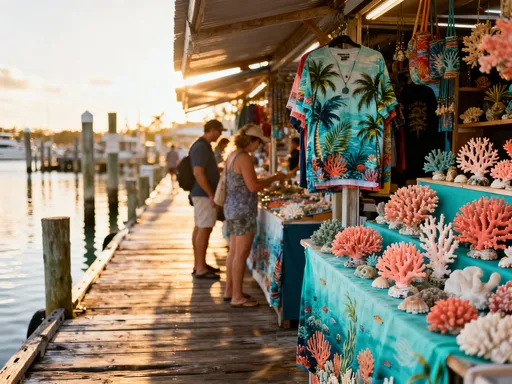
What Nobody Tells You About Shopping at the Great Barrier Reef
You’d never expect souvenir stalls and overpriced boutiques to be part of the Great Barrier Reef experience—after all, it’s a natural wonder, not a mall. But the truth? Shopping is everywhere, from tourist hubs to ferry docks. I learned the hard way which spots are worth it and which are total rip-offs. This isn’t just about trinkets—it’s about preserving the reef while still bringing home a real memory. Let me break down what actually matters.
The Hidden Reality of Reef Tourism Commerce
The Great Barrier Reef, stretching over 2,300 kilometers along the Queensland coast, is one of the most iconic natural wonders on Earth. Recognized as a UNESCO World Heritage Site, it draws millions of visitors annually, each seeking to witness its vibrant coral gardens and diverse marine life. Yet beneath the surface of this breathtaking ecosystem lies a less visible current: the quiet but powerful influence of commerce. While few come to the reef to shop, retail has become an inseparable part of the tourism experience. From the moment travelers arrive in gateway cities like Cairns and Port Douglas, they are gently funneled into a network of commercial touchpoints designed to capture attention, spending, and loyalty.
This commercialization didn’t happen overnight. As reef tourism expanded over the past four decades, local economies adapted to meet the needs—and expectations—of international and domestic visitors. Infrastructure grew: marinas expanded, tour operators multiplied, and hospitality services flourished. Alongside this development came a parallel rise in retail. Souvenir shops, sunscreen kiosks, and apparel boutiques began appearing not just in city centers, but also on ferries, at dive platforms, and even aboard glass-bottom boats. What was once a purely ecological destination has gradually transformed into a full-service tourism corridor, where every stop offers an opportunity to spend.
Why has shopping become so embedded in the reef experience? The answer lies in economic sustainability. Tourism is a major driver of regional income, and retail represents one of the most accessible revenue streams. Unlike guided dives or helicopter tours, which require significant investment and training, retail operations can be scaled quickly and operated with relatively low overhead. As a result, local businesses—from family-run stalls to large hospitality groups—have embraced retail as a way to diversify income and enhance visitor engagement. The consequence, however, is that even travelers who set out with pure ecological intentions often find themselves making unplanned purchases, swayed by convenience, branding, or the emotional high of being near such a majestic environment.
Yet this integration of shopping into the reef journey is not without controversy. Conservationists warn that unchecked commercial activity can undermine the very resource it depends on. Overcrowding, physical damage to coral from increased foot traffic, and the environmental cost of imported goods all pose real threats. Moreover, the psychological effect of constant consumer messaging can shift focus away from stewardship and toward consumption. When visitors are repeatedly encouraged to buy, the deeper message of preservation can get lost. Recognizing this tension is the first step toward making more mindful choices—one that empowers travelers to support the local economy without compromising the reef’s integrity.
Where Shopping Begins: Gateway Cities and Marinas
The shopping experience at the Great Barrier Reef often begins long before visitors set foot on a boat. The journey typically starts in gateway cities like Cairns and Port Douglas, where tourism infrastructure is deeply woven into the urban landscape. Upon arrival at Cairns Airport, travelers are immediately greeted by a row of gift shops offering reef-themed souvenirs: miniature coral replicas, tropical postcards, and T-shirts emblazoned with slogans like “I Dived the Great Barrier Reef.” These early retail touchpoints are strategically placed to capitalize on the excitement of arrival, when emotions run high and decision-making is more impulsive.
As visitors move into the city center, the density of retail options increases. Downtown Cairns features a mix of tourist-oriented stores, from large souvenir emporiums to boutique shops selling sunscreen, swimwear, and waterproof cameras. Many of these stores cluster around the Esplanade and the Reef Fleet Terminal, the primary departure point for reef tours. The proximity to departure zones means that last-minute shoppers can easily pick up forgotten essentials—or succumb to temptation. Common purchases include reef-safe sunscreen (often priced significantly higher than in supermarkets), snorkel sets, and branded hats or rash guards. While some of these items are genuinely useful, others are clearly designed for novelty rather than function, such as plastic seahorse keychains or glow-in-the-dark coral magnets.
Marinas and ferry terminals serve as another critical retail zone. At the Reef Marina in Cairns, kiosks and pop-up stalls line the walkways, offering everything from cold drinks to compact underwater cameras. These vendors operate with a sense of urgency, knowing that once passengers board their boats, the opportunity to sell is lost. As a result, the atmosphere is often bustling, even chaotic, with staff calling out promotions and displays arranged to catch the eye. The convenience factor is strong: why wait until you return to town when you can buy what you need right now? But this immediacy comes at a cost. Prices at marina vendors are typically 30 to 50 percent higher than in city shops, reflecting the premium placed on accessibility.
The design of these retail spaces is no accident. Bright colors, repetitive branding, and limited-time offers all play into psychological triggers that encourage spending. For example, signs advertising “final chance to buy reef souvenirs before boarding” create a sense of scarcity, pushing visitors to act quickly. Similarly, the placement of low-cost items near checkout counters—like reef-themed stickers or mini dive logs—encourages impulse buys. These strategies are effective because they align with the emotional state of travelers: excited, relaxed, and open to experience. Recognizing these patterns can help visitors maintain control over their spending and avoid purchases they may later regret.
Onboard Sales: When the Trip Itself Becomes a Marketplace
Once aboard a reef tour vessel, the shopping experience doesn’t pause—it intensifies. Many tour operators have integrated retail directly into the journey, transforming what should be a moment of immersion in nature into a subtle, sometimes overt, sales environment. On larger catamarans and dive boats, it’s common to find a dedicated onboard shop, often located near the galley or dive deck. These spaces stock a curated selection of items: waterproof phone cases, reef-safe sunscreen, branded apparel, and limited-edition souvenirs available only on that day’s trip. The messaging is clear: this is your exclusive chance to take something home.
What makes these onboard sales particularly effective is timing. They occur at the emotional peak of the experience—just after a swim with sea turtles or a close encounter with a giant clam. In that heightened state, visitors are more susceptible to persuasive messaging. A tour guide might casually mention, “We’ve got a special today on eco-friendly snorkel sets—only available while we’re out here,” or a staff member might hand out brochures for “certified coral art” with proceeds going to reef conservation. These offers are framed not as commercial transactions, but as meaningful choices—ways to extend the experience or support a good cause.
Some operators take this a step further with live sales presentations. During the return journey, a crew member may host a short “product showcase,” using a microphone to highlight featured items. These sessions often include time-limited discounts, such as “20% off if you buy in the next 15 minutes,” or scarcity tactics like “only three left in stock.” While not aggressive by traditional retail standards, these techniques are carefully calibrated to influence decision-making. The confined space of the boat, combined with social pressure—seeing others make purchases—can further amplify the effect.
Another common strategy is the bundling of experiences with products. For example, a passenger who completes a certified dive might be offered a personalized dive certificate, a photo package, or a commemorative T-shirt—all for an additional fee. These items feel like natural extensions of the achievement, making them harder to resist. Yet it’s worth pausing to consider whether they are truly necessary. A photo of a reef encounter can be just as meaningful when captured on a personal device, and a sense of accomplishment doesn’t require a branded memento. By recognizing the psychological mechanics at play, travelers can enjoy the experience without feeling obligated to spend.
The Myth of the “Authentic” Souvenir
One of the most persistent assumptions among tourists is that souvenirs sold near the Great Barrier Reef are inherently local, handcrafted, and culturally meaningful. Phrases like “authentic Aboriginal art” or “locally made coral jewelry” appear frequently on product labels and shop signage. But the reality is often more complicated. While some items are indeed created by Indigenous artists or regional artisans, many so-called “local” souvenirs are mass-produced overseas and imported in bulk. This disconnect between marketing and origin raises important ethical questions about cultural representation, fair compensation, and consumer responsibility.
Take, for example, the widespread sale of boomerangs, didgeridoos, and painted dot art in reef-area gift shops. While these items are associated with Aboriginal culture, they are not traditionally linked to the coastal communities near the Great Barrier Reef. The artwork and crafts of the local Gimuy Walubara Yidinji people of Cairns or the Kuku Yalanji of the Daintree are distinct and deeply rooted in their own traditions. When generic “Aboriginal-style” items are sold without connection to these communities, it risks reducing rich cultural expressions to commercial clichés. Worse, it often means that the artists who create authentic work receive little or no benefit from the sales.
So how can travelers distinguish genuine cultural items from mass-produced imitations? One reliable indicator is certification. Stores affiliated with the Aboriginal Art Association of Australia or those carrying pieces from recognized art centers—such as the Mossman Gorge Aboriginal Cultural Centre—typically offer authentic, ethically sourced works. These items often come with certificates of authenticity and information about the artist and community. In contrast, souvenirs sold in airport shops or generic souvenir malls rarely provide such transparency. Price can also be a clue: a $15 “hand-painted” didgeridoo is unlikely to reflect fair wages for skilled craftsmanship.
Supporting authentic cultural expression isn’t just about avoiding fakes—it’s about making choices that honor the people whose land and waters visitors are enjoying. When travelers prioritize genuine art, they contribute to sustainable livelihoods and help preserve cultural heritage. It also fosters a deeper connection to the place, transforming a simple purchase into a meaningful exchange. By asking questions, reading labels, and choosing carefully, visitors can ensure their souvenirs reflect respect, not appropriation.
Pricing Pitfalls: Why That $20 “Mother-of-Pearl” Necklace Isn’t Worth It
One of the most common regrets among reef visitors is overspending on items that seem like bargains at the time but lose their value quickly. Take the ubiquitous “mother-of-pearl” necklace sold at marina kiosks or onboard shops. Priced at $20 to $30, it appears to be an affordable memento. But closer inspection often reveals that the material is not genuine mother-of-pearl at all, but a synthetic resin made to mimic the iridescent sheen of real shell. These items are typically imported from factories in Southeast Asia and sold at markups of 300% or more. What seems like a small indulgence becomes a lesson in misleading marketing.
Similar pricing pitfalls exist across the retail spectrum. Snorkel gear sold at reef shops often costs twice as much as the same models available in city sporting goods stores. Sunscreen labeled as “reef-safe” may carry a premium of 50% or more, even when the active ingredients are identical to less expensive brands. In some cases, products are not just overpriced—they are ineffective or potentially harmful. Certain “reef-safe” sunscreens, for example, contain ingredients like benzophenone or octinoxate, which are known to contribute to coral bleaching despite their eco-friendly labeling. Without careful research, even well-intentioned shoppers can end up supporting practices that harm the environment they came to protect.
The root of these pricing issues lies in the economics of convenience. Retailers in high-traffic tourist zones know that visitors are often unwilling or unable to compare prices. They may lack time, access to alternatives, or awareness of typical costs. This creates a perfect environment for price inflation. Additionally, some vendors exploit emotional triggers: a child begging for a seashell necklace, a partner wanting a keepsake from the trip, or a traveler seeking a tangible memory after a powerful experience. These moments of vulnerability are precisely when poor purchasing decisions are most likely to occur.
To avoid these traps, travelers should do basic research before their trip. Knowing the average price of common items—like snorkel sets, waterproof cameras, or reef-safe sunscreen—can provide a benchmark for evaluating offers. It’s also wise to bring essential gear from home whenever possible. Not only does this reduce reliance on overpriced retail, but it also minimizes waste and ensures product quality. When shopping is necessary, comparing options across multiple vendors and reading ingredient lists or material descriptions can prevent costly mistakes. In the end, informed choices lead to more satisfying souvenirs—and better protection for the reef.
Better Alternatives: Where to Shop Without Regret
Just because the commercial landscape around the Great Barrier Reef is fraught with pitfalls doesn’t mean meaningful, ethical shopping is impossible. On the contrary, there are numerous alternatives that allow visitors to support local communities, honor cultural traditions, and contribute to conservation—without falling into the trap of impulse buying. The key is knowing where to look and how to shop with intention.
One of the best options is community-run markets. In Cairns, the Rusty’s Market and the Port Douglas Markets feature stalls operated by local farmers, artisans, and Indigenous entrepreneurs. Here, visitors can find fresh tropical fruit, handmade soaps, woven baskets, and authentic Aboriginal art—all at fair prices. These markets are not only more affordable than tourist-centric shops but also offer a more genuine connection to the region. Speaking directly with vendors, learning about their craft, and understanding the story behind a product transforms shopping into an enriching experience.
Another excellent choice is certified Aboriginal art centers. Places like the Mossman Gorge Centre or the Babinda Cultural Hub offer artworks created by local artists, with proceeds directly supporting community programs and cultural preservation. These centers often provide educational tours, allowing visitors to see the creative process and learn about the spiritual significance of the designs. Purchasing art from such sources ensures that the transaction is ethical, transparent, and impactful. It also results in a souvenir that carries real meaning—one that can be shared and passed down through generations.
For those who prefer to avoid carrying items home, online alternatives are increasingly available. Many reputable conservation organizations and cultural cooperatives offer post-trip shopping options. Visitors can browse collections after their journey, select items without time pressure, and have them shipped directly. Some even allow digital donations in exchange for a symbolic gift—such as adopting a coral colony or sponsoring a sea turtle. These options eliminate the stress of onboard sales while still providing a way to commemorate the experience.
Ultimately, mindful shopping is about aligning purchases with values. Instead of buying what’s convenient, travelers can choose what’s meaningful. That might mean a small painting from an Indigenous artist, a reusable water bottle from a reef-safe brand, or nothing at all—just the memory of a sunrise over the Coral Sea. Each choice becomes a reflection of respect for the place and its people.
Protecting the Reef While Taking Something Home
The Great Barrier Reef is more than a destination—it is a living, breathing ecosystem that has thrived for thousands of years. Every visitor has a responsibility to ensure that their presence contributes to its survival, not its decline. This responsibility extends to the way we shop. Souvenirs should not be trophies of conquest, but symbols of connection and care. The most valuable mementos are not the ones bought in stores, but the ones created through conscious choices: a photo of a clownfish darting through anemones, a journal entry describing the silence of a deep dive, or a donation made in the name of reef restoration.
Reframing the concept of a souvenir allows travelers to move beyond materialism and embrace a deeper form of remembrance. Instead of a plastic trinket that will fade or break, consider a digital photo album shared with family, a framed print from a local artist, or a certificate from a coral planting program. These alternatives honor the reef not by taking from it, but by giving back. They reflect an understanding that preservation is an ongoing act—one that continues long after the trip ends.
Every purchase has an impact. When travelers choose wisely, they send a message: that they value authenticity over convenience, sustainability over speed, and respect over exploitation. They support businesses that prioritize the environment, artists who honor tradition, and communities that steward the land. In doing so, they become part of a larger movement to protect one of the planet’s most precious treasures.
The Great Barrier Reef does not need more plastic seashells or mass-produced T-shirts. It needs advocates, stewards, and mindful visitors. The best souvenir you can take home is not something you buy—it’s the knowledge that you left the reef better than you found it. And that, more than any necklace or keychain, is a memory worth keeping.