You Won’t Believe What I Discovered About Luxembourg’s Viewpoints—Avoid These Mistakes!
Traveling to Luxembourg felt like stepping into a storybook, with its rolling hills, ancient castles, and lush valleys. I went searching for breathtaking views, only to realize that the most stunning spots aren’t always the ones on postcards. Some overlooks were crowded, overhyped, or hard to reach without proper planning. This journey taught me that the true magic lies not just in where you look—but how, when, and why you look. Let me show you what really makes a viewing experience unforgettable.
First Impressions: Why Luxembourg’s Landscape Feels Like a Hidden Gem
Luxembourg, though small in size, unfolds like a patchwork of natural and historical wonders. Spanning just over 2,500 square kilometers, it might seem too tiny to offer much beyond city charm. Yet within its borders lies a surprising diversity of landscapes—forested gorges, winding river valleys, limestone cliffs, and quiet meadows that seem untouched by time. For many travelers, the initial image of Luxembourg is shaped by promotional photos: mist rising over the Alzette Valley, ivy-covered fortifications, and panoramic cityscapes. But arriving in person reveals a more nuanced reality. The country’s geography shifts subtly from region to region, offering distinct atmospheres that can’t be captured in a single snapshot.
The northern region, known as the Oesling, is part of the Ardennes and features rugged terrain, dense woodlands, and deep river gorges. This area stands in stark contrast to the gentler southern Moselle Valley, where vineyards cascade down sun-drenched slopes along the meandering river. In between lies the Gutland plateau, home to Luxembourg City and its dramatic rock formations carved by centuries of erosion. These geological contrasts create countless vantage points, each with its own character. However, navigating this terrain isn’t always as simple as following a map. Tourist brochures often highlight major attractions, but they rarely convey the challenges of narrow country roads, limited parking, or poorly marked trails. What looks accessible from a distance may require a 30-minute uphill walk with no signage to guide the way.
What surprised me most was how much the experience of a viewpoint could shift based on subtle factors—like the angle of the sun, the season, or even the sound of wind through the trees. A spot that looked ordinary at noon transformed into something poetic under soft morning light. The lesson here is clear: Luxembourg rewards those who look beyond the surface. Its beauty isn’t always immediate or obvious. It reveals itself slowly, to those who take the time to explore with patience and attention. The country’s compactness makes it easy to underestimate the depth of its offerings, but those who do often miss the quiet moments that make a trip truly memorable.
The Overrated View: When Popular Spots Miss the Mark
Some of Luxembourg’s most photographed viewpoints are undeniably impressive—but not always worth the effort. Take the overlook near Vianden Castle, perched high above the Our River. From a distance, it appears to offer a sweeping panorama of red-roofed buildings, forested hills, and the shimmering river below. And indeed, in ideal conditions, it does. But during peak season, the reality is different. Crowds gather early, jostling for space along the narrow stone railing. Tripods block pathways, and the constant chatter of tour groups makes it hard to enjoy the stillness that such a place deserves. By midday, harsh sunlight flattens the landscape, washing out colors and casting sharp shadows that ruin photo opportunities.
Similarly, the Chemin de la Corniche in Luxembourg City—often called “Europe’s most beautiful balcony”—can feel more like a busy sidewalk than a scenic retreat. While the view of the Alzette Valley is undeniably striking, the space is narrow and frequently packed with tourists, cyclists, and joggers. There are few places to pause and absorb the scene without stepping into the flow of foot traffic. Moreover, the best angles are often obstructed by fences or overgrown vegetation, especially in summer. These spots are included in nearly every guidebook and travel itinerary, creating a sense of obligation among visitors. But visiting them without planning can lead to disappointment.
The issue isn’t that these places lack beauty—it’s that their popularity overshadows the experience. When thousands visit the same spot every day, the sense of discovery fades. The magic of travel often lies in solitude, in the feeling of having found something special that few others have seen. At highly trafficked viewpoints, that feeling is rare. This doesn’t mean avoiding famous sites altogether. Rather, it means adjusting expectations and approaching them strategically. Visiting early in the morning, just after sunrise, can transform a crowded spot into a peaceful sanctuary. Alternatively, stepping just a few meters off the main path—where permitted—can reveal a quieter angle with the same view and none of the noise. The key is recognizing that popularity doesn’t guarantee satisfaction. Sometimes, the most meaningful views are the ones you find by accident, not by following a crowd.
Secret Angles: Finding Authentic Viewing Experiences Off the Beaten Path
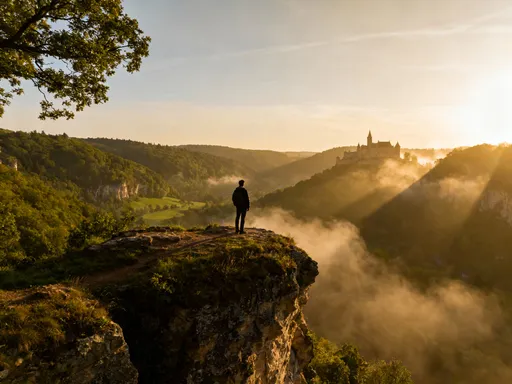
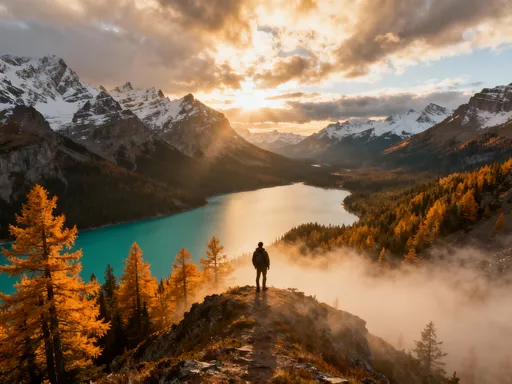
One of the most rewarding aspects of exploring Luxembourg was discovering viewpoints that weren’t listed in guidebooks. These hidden spots offered unfiltered access to nature, solitude, and a deeper connection to the landscape. One such place was along the trail leading to Bourscheid Castle, a medieval fortress nestled in the northeastern hills. While most visitors stop at the castle entrance, a short detour along a lesser-known footpath reveals a quiet overlook facing west. From there, the Our River winds through the valley like a silver ribbon, framed by layers of forest that shift color with the seasons. On a clear autumn morning, the sight of mist rising between the trees was nothing short of magical.
Another gem was a small pull-off along the N12 road near the village of Eschweiler. Marked only by a dirt shoulder and a few scattered stones, it offered a sweeping view of the rolling farmland and distant forest ridges. There were no signs, no railings, and no other cars—just open space and silence. Moments like these reminded me that some of the best travel experiences come from wandering with curiosity rather than strict itineraries. These off-the-beaten-path locations aren’t difficult to reach, but they do require a willingness to explore beyond the obvious.
Access to these spots often depends on local knowledge. Talking to residents at small cafes or stopping by tourist information centers in rural towns yielded more useful insights than any app. One woman in Clervaux recommended a footbridge near the abbey that led to a riverside path with multiple vantage points. Another man in Vianden pointed me toward a forest trail that opened up to a cliffside view of the castle from an unexpected angle. These recommendations weren’t in any official guide, but they led to some of the most authentic moments of the trip. For travelers seeking peace and authenticity, such places are invaluable. They offer not just scenery, but a sense of discovery—the feeling that you’ve seen something real, untouched by mass tourism. While these spots may lack the grandeur of postcard landmarks, they make up for it in atmosphere and emotional resonance.
Time & Light: How the Same Spot Transforms from Day to Night
The way light shapes a landscape is one of the most underrated aspects of travel photography and personal experience. I learned this firsthand by revisiting the same viewpoint at different times of day. A location that appeared flat and unremarkable at noon could become radiant and layered by late afternoon. The golden hour—those 30 to 60 minutes after sunrise and before sunset—brings a warmth and depth to the scenery that no other time can match. Shadows lengthen, textures emerge, and colors deepen, turning ordinary hills into dramatic silhouettes.
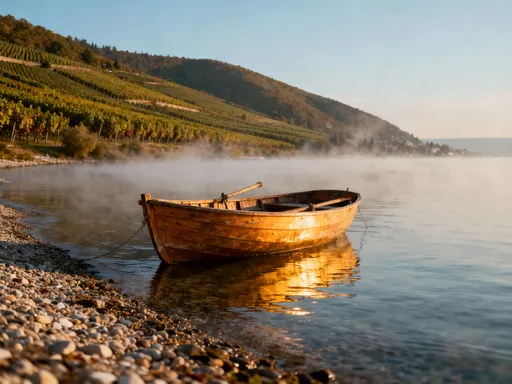
One of the most striking transformations I witnessed was at a quiet overlook near the Mullerthal region. During midday, the view was pleasant but unexceptional: a mix of forest and rocky outcrops under a bright blue sky. But returning just before sunset changed everything. The low-angle light illuminated the sandstone formations in hues of amber and rose, casting long shadows that emphasized their jagged contours. The entire scene glowed with a quiet intensity, as if the landscape had come alive. Similarly, early morning visits to river valleys revealed a different kind of beauty—mist hovering above the water, birds calling in the distance, and the soft glow of dawn filtering through the trees.
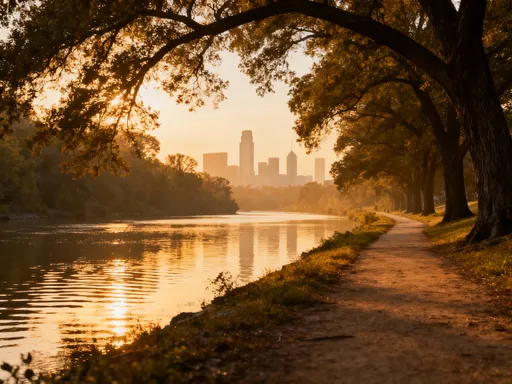
While night views can be alluring, especially in areas with minimal light pollution, safety must always come first. Luxembourg’s rural roads are often narrow and poorly lit, and many trails are not maintained for nighttime use. For those interested in twilight photography, it’s best to arrive well before dark and leave while there’s still enough light to navigate safely. Some city viewpoints, like the bridge near the Philharmonie in Luxembourg City, offer safe and well-lit options for evening views, where the city lights reflect off the valley below. But in remote areas, it’s wise to prioritize caution over spectacle. The goal isn’t just to capture a beautiful image, but to do so in a way that respects personal safety and the environment. When timed right, the interplay of light and landscape can turn even a modest overlook into something unforgettable.
Accessibility vs. Reward: Balancing Effort and Scenery
One of the most important decisions travelers face is how much effort they’re willing to invest for a view. In Luxembourg, options range from fully accessible city balconies to remote trails that require moderate hiking. Each comes with its own trade-offs. The Chemin de la Corniche, for example, is paved, flat, and reachable by public transport, making it ideal for families, older adults, or those with limited mobility. The view is impressive, even if crowded. On the other end of the spectrum are trails in the Mullerthal region, where reaching the best viewpoints may involve climbing over moss-covered rocks, navigating narrow paths, and walking for 45 minutes or more through dense forest.
The reward often correlates with the effort, but not always. Some of the most breathtaking views required only a short walk from a parking area, while others demanded significant exertion for a payoff that felt underwhelming. The key is managing expectations and preparing properly. Good hiking shoes with grip are essential, especially after rain, when trails can become slippery. Checking the weather forecast before heading out is equally important—what looks inviting in the morning sun can turn into a muddy, fog-drenched trek by afternoon. Carrying water, a light jacket, and a basic map or offline GPS can make a big difference in comfort and safety.
Infrastructure also plays a crucial role. Well-marked trails with clear signage, like those in the Luxembourg National Park, make navigation easier and more enjoyable. In contrast, rural paths with faded markers or no signage at all can lead to confusion and frustration. Public transportation reaches many key areas, but service becomes sparse in the north, where having a car offers greater flexibility. For those without a vehicle, combining train travel with short taxi rides or local buses can still provide access to scenic regions. Ultimately, the best experiences come from matching your physical ability and comfort level with the right destination. There’s no shame in choosing an easier path—what matters is that the journey feels meaningful and enjoyable.
Tools That Helped Me: Navigation, Apps, and Local Advice
Navigating Luxembourg’s mix of urban and rural landscapes required a blend of technology and human insight. Digital tools like Google Maps and Komoot were invaluable for route planning, especially when driving between regions. Google Maps provided accurate driving directions and estimated travel times, while Komoot excelled at hiking trail navigation, offering downloadable offline maps and elevation profiles. However, both have limitations. In remote areas, especially in the Oesling, GPS signals can weaken, and trail markings on the ground don’t always match what’s shown on screen. I once followed a Komoot route that appeared to lead to a scenic overlook, only to find the path had eroded and was impassable.
This is where local knowledge became essential. Staff at tourist information centers in towns like Echternach and Clervaux provided up-to-date trail conditions and alternative routes. A café owner in Beaufort pointed me toward a footpath that wasn’t on any map but offered one of the clearest views of the surrounding valley. These interactions added a personal dimension to the trip, turning strangers into allies in the quest for authentic experiences. They also reminded me that no app can replace human observation and lived experience.
The most effective strategy was to use digital tools as a starting point, then adapt based on real-time conditions. Before setting out, I’d download maps, check recent reviews, and note potential hazards. Once on the ground, I’d remain flexible—willing to change plans if a trail looked unsafe or a recommended spot was unexpectedly closed. This balance between preparation and spontaneity led to the most rewarding moments. Technology helped me get close, but local insight and on-the-ground awareness helped me go deeper. For future travelers, I recommend bringing a physical map as a backup, especially when hiking in forested or mountainous areas. It’s a small precaution that can prevent getting lost when signals fail.
Rethinking the View: From Passive Sightseeing to Meaningful Connection
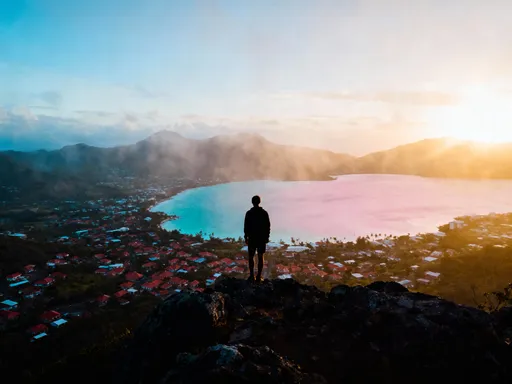
As my journey through Luxembourg unfolded, I began to see viewpoints not just as destinations, but as invitations to slow down and engage. The best moments weren’t the ones where I took the most photos, but where I stood quietly, absorbing the landscape with full attention. At a secluded overlook near the Sûre River, I spent nearly an hour simply watching the light shift across the water. No one else was around. The air was still. In that silence, the view became more than a visual experience—it became a moment of presence, a rare pause in a busy life.
This shift in mindset transformed how I traveled. Instead of rushing from one highlight to the next, I allowed myself to linger. I noticed details I might have otherwise missed: the way leaves rustled in the breeze, the distant call of a cuckoo, the scent of damp earth after a light rain. These sensory impressions deepened my connection to the place, making the experience more personal and lasting. It wasn’t about collecting views like trophies, but about cultivating awareness and appreciation.
This approach also fostered a greater respect for the environment and local culture. Staying on marked paths, avoiding littering, and being mindful of noise levels became natural habits. I realized that preserving these landscapes isn’t just the responsibility of authorities—it’s a shared duty of every visitor. When we treat nature with care, we ensure that future travelers can have the same meaningful experiences. Moreover, taking time to understand the history and significance of a place—such as the role of castles in Luxembourg’s past—added depth to the visual beauty. The view became more than scenery; it became a story.
Final Thoughts: Seeing Luxembourg Differently
Luxembourg taught me that the best views are not always the most famous ones. They are the ones that come with preparation, timing, and a willingness to look beyond the obvious. Research matters—not just for finding locations, but for understanding how to experience them fully. Timing is everything: a single hour can transform a dull scene into something extraordinary. And solitude, though harder to find, often brings more satisfaction than spectacle.
Travelers don’t need to abandon popular sites entirely, but they should approach them with realistic expectations and smart planning. Equally, they should leave room for discovery—by talking to locals, exploring lesser-known trails, and being open to unexpected moments. The most memorable experiences often arise from flexibility and curiosity, not rigid itineraries.
Ultimately, viewing a landscape is not just an act of seeing—it’s an act of feeling. It’s about being present, engaging the senses, and allowing the environment to speak. In a world where travel is often reduced to checklists and photo feeds, Luxembourg reminds us to slow down, look deeper, and connect more fully. The next time you plan a trip, don’t just ask where to go. Ask how you want to experience it. Because the best views aren’t just seen—they’re felt.