You Gotta Taste This: Real Food Secrets from the Rhine Valley
Nestled along winding riverbanks and vine-covered hills, the Rhine Valley is more than castles and scenery—it’s a food lover’s dream. I didn’t expect to fall head over heels for its hearty stews, crisp pretzels, and local wines served in rustic *Weinstuben*. This isn’t just dining; it’s tradition on a plate. If you're craving authentic German flavors where every bite tells a story, the Rhine Valley delivers. Let me show you how to eat like a local, avoid tourist traps, and savor the true taste of the region—one delicious meal at a time.
Why the Rhine Valley’s Food Scene Surprises First-Time Visitors
The Rhine Valley offers a culinary identity that goes far beyond the clichés of sausages and schnitzel often associated with German cuisine. Travelers arrive expecting heavy, meat-laden dishes and are delightfully surprised by the region’s balance of rich tradition, seasonal freshness, and subtle refinement. This is a place where meals are shaped by centuries of river trade, fertile soil, and a deep-rooted respect for local ingredients. The Rhine River itself has long served as a vital trade route, bringing not only goods but also culinary influences from neighboring regions in France, Switzerland, and the Low Countries. Over time, these elements merged into a unique regional palate—one that values simplicity, quality, and seasonality.
At the heart of Rhine Valley cuisine is agriculture. The valley’s mild climate and sun-drenched slopes create ideal conditions for growing not only grapes but also root vegetables, apples, cherries, and herbs. These ingredients appear throughout the menu, from tangy apple compotes served alongside pork to wild greens tucked into dumplings. Local farmers’ markets overflow with seasonal produce, and many restaurants proudly list their suppliers on the menu. This farm-to-table approach is not a modern trend here—it is a centuries-old practice born of necessity and preserved through pride. Families have passed down recipes for generations, and many small eateries are still run by the same households that opened them decades ago.
What truly defines the food culture of the Rhine Valley is the sense of local pride. Dishes are not created for spectacle but for sustenance and celebration. Meals are often shared among family and friends in cozy, wood-paneled *Gasthäuser* or at outdoor tables beneath grape arbors. The cooking reflects a rhythm of life tied to the seasons: asparagus in spring, fresh strawberries in early summer, wild mushrooms in autumn, and preserved meats and pickled vegetables in winter. This deep connection to the land and community gives the region’s food its authenticity and warmth. Visitors who take the time to understand this context often find that the experience of eating here becomes as memorable as the view of the river at sunset.
Must-Try Dishes: What to Order (and Where to Find It)
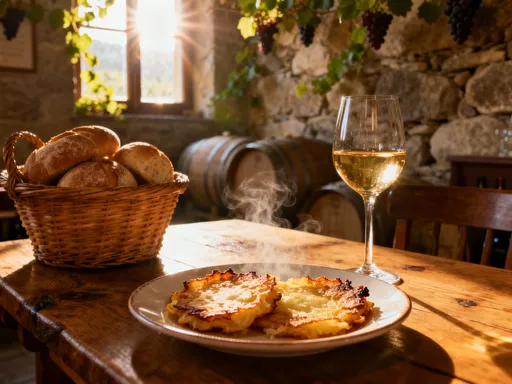
To truly taste the Rhine Valley, certain dishes should be at the top of every traveler’s list. Start with *Reibekuchen*, the region’s beloved potato pancakes, which are grated fresh, fried until golden and crisp, and often served with applesauce or sour cream. These are not mere side dishes—they are hearty meals in themselves, especially when enjoyed at a roadside stand after a morning hike through the vineyards. Another must-try is *Handkäse mit Musik*, a pungent, sour milk cheese served with a dressing of oil, vinegar, onions, and caraway. The name “mit Musik” (with music) humorously refers to the digestive effects of the raw onions, but locals swear by its bold flavor and digestibility when paired with a glass of local white wine.
For something creamy and flavorful, seek out *Spundekäs*, a rich onion and cheese spread traditionally enjoyed with pretzels and beer. While often found at casual gatherings, it’s also served in many traditional taverns, especially in the southern part of the valley. Then there’s *Sauerbraten*, a pot roast marinated for days in vinegar, spices, and red wine, then slow-cooked until tender. The Rhine Valley version often includes raisins or dried fruit, giving it a sweet-sour complexity not found elsewhere in Germany. Served with red cabbage and *Kartoffelklöße* (potato dumplings), it’s a comforting dish that warms both body and soul.
Different villages have become known for their specialties, making food a compelling reason to explore beyond the main tourist hubs. In Bacharach, a charming medieval town nestled between vineyards, small family-run inns serve *Flammkuchen*—a thin, crispy flatbread from the nearby Palatinate region, topped with crème fraîche, onions, and bacon. Rüdesheim, famous for its Drosselgasse lane lined with wine bars, is also a great place to try *Rheingauer Wurstsuppe*, a warming sausage and vegetable soup perfect for cooler days. Meanwhile, in St. Goar, perched beside the Lorelei rock, local restaurants often feature fresh river fish like trout or pike, pan-seared and served with butter and herbs. Each of these towns offers a slightly different culinary accent, making the journey from one to the next a delicious exploration of regional variation.
Eating Like a Local: Avoiding Tourist Traps with Confidence
One of the greatest challenges for travelers in popular destinations like the Rhine Valley is distinguishing authentic dining experiences from overpriced tourist traps. The good news is that with a few simple guidelines, it’s entirely possible to eat well without overspending. Begin by observing the restaurant’s location. Establishments directly on main squares or next to major attractions often cater to visitors and may have inflated prices and generic menus. In contrast, those a few streets away, tucked into side alleys or near residential areas, are more likely to serve locals and offer genuine regional dishes.
Menu literacy is another essential skill. Look for handwritten daily specials, known as *Tageskarte* or *Hausmannskost*, which often feature seasonal ingredients and home-style cooking. Dishes with regional names—such as *Grie Soß* (green sauce with eggs and potatoes) or *Handkäs*—are strong indicators of authenticity. Avoid places that offer “international” menus or have laminated, multilingual brochures with photos of every dish. These are often signs of mass-market appeal rather than local tradition. Instead, seek out spots where the menu is brief, printed in German, and changes regularly based on what’s fresh.
Another insider tip is to prioritize lunch over dinner. Many family-run restaurants in the Rhine Valley serve their most generous and freshly prepared meals at midday. Lunchtime menus, often called *Mittagsmenü*, offer excellent value—typically three courses for a fixed price—and feature the day’s best ingredients. Kitchens may close between 2:30 and 5:30 p.m., so timing your visit accordingly ensures you’re not left hungry. Additionally, locals rarely dine late, so restaurants that open for dinner may have limited offerings or reheated food. By aligning your meal schedule with local habits, you not only eat better but also immerse yourself more fully in the rhythm of daily life.
The Role of Wine in Rhine Valley Food Culture
Wine is not merely a beverage in the Rhine Valley—it is a cornerstone of daily life and cuisine. The region is one of Germany’s most celebrated wine-producing areas, particularly renowned for its Riesling grapes. Grown on steep, south-facing slopes along the river, these vines benefit from reflected sunlight and ideal drainage, producing wines that are aromatic, balanced, and often slightly sweet, though dry styles are increasingly popular. A meal in the Rhine Valley is rarely complete without a glass of local white wine, which enhances the flavors of everything from rich meats to delicate fish and sharp cheeses.
Visiting a *Winzergenossenschaft*, or cooperative winery, is one of the best ways to experience wine without pretense. These community-run facilities allow small-scale vintners to share resources and market their wines collectively. Tastings here are often informal, with winemakers or staff pouring samples at a counter while explaining the vintage and terroir. Unlike commercial wine tours, these visits feel personal and unscripted, offering a genuine glimpse into the region’s winemaking culture. Some co-ops even offer *Straußwirtschaften*—temporary, seasonal wine stands that open for just a few weeks each year, serving wine and simple snacks directly from the vineyard.
Understanding wine pairings can elevate your dining experience significantly. Riesling, with its bright acidity and fruit notes, pairs beautifully with *Handkäse mit Musik*, cutting through the cheese’s tanginess. A dry *Trocken* Riesling complements *Sauerbraten* by balancing its sweet-sour marinade. For heartier dishes like potato pancakes or sausage platters, a light red such as *Spätburgunder* (Pinot Noir), which is also grown in warmer pockets of the valley, offers a smooth, earthy contrast. Even desserts benefit from wine—try a late-harvest *Beerenauslese* with a slice of *Apfelwecken* for a luxurious finish. By embracing wine as an integral part of the meal, rather than an afterthought, visitors gain a deeper appreciation for the region’s culinary harmony.
Markets, Bakeries, and Street Bites Worth Waking Up For
For travelers seeking the most authentic tastes of the Rhine Valley, the journey should begin early—with a visit to a local market or bakery. Weekly farmers’ markets in towns like Boppard, Oberwesel, and Lorch offer a feast for the senses: baskets of wild strawberries, jars of golden honey, wheels of fresh cheese, and loaves of crusty bread still warm from the oven. These markets are not staged for tourists; they are where residents shop, and vendors are happy to offer samples or explain how a particular cheese is made. Buying a few items and assembling a simple picnic—perhaps some *Weck* (a crusty roll), *Worscht* (cured sausage), and a glass of *Woi* (wine)—is a delightful way to experience the local way of eating.
The *Weck, Worscht un Woi* combination is more than a snack—it’s a cultural institution in the Rhine region. Found at markets, festivals, and even small kiosks along hiking trails, this trio represents the essence of Rhineland comfort food. The bread is usually a freshly baked *Brötchen* with a crisp crust and soft interior, the sausage might be *Metten* (spiced pork) or *Leberwurst* (liverwurst), and the wine is typically a chilled Riesling poured from a liter bottle. Eating this simple meal at a wooden table under a grapevine arbor feels like participating in a centuries-old ritual of rest and refreshment.
Morning bakery stops are equally rewarding. Village bakeries often open by 7 a.m., filling the air with the scent of butter, yeast, and cinnamon. Two specialties not to miss are *Apfelwecken*, a sweet coffee cake layered with spiced apples and raisins, and *Zwiebelkuchen*, a savory onion tart baked with cream, caraway, and sometimes bacon. The latter is traditionally enjoyed in late summer and autumn, especially during *Federweißer* season—the time when new wine is fermented and slightly sparkling. Pairing a slice of *Zwiebelkuchen* with a glass of this young wine is a beloved regional tradition that embodies the joy of seasonal eating.
Practical Tips for a Flavor-Filled Itinerary
Planning a food-centered trip to the Rhine Valley requires more than just knowing what to eat—it also involves understanding how daily life unfolds in these small towns. One of the most important considerations is timing. Many restaurants, especially family-run ones, observe a long midday break after lunch service, closing from mid-afternoon until early evening. Bakeries often sell out of fresh bread by mid-morning, and weekly markets may only run for a few hours on certain days. To make the most of your visit, check local schedules in advance and plan your sightseeing around meal times. For example, take a morning boat cruise, arrive in a town by 11:30 a.m. for market browsing, then enjoy a leisurely lunch before the kitchen closes.
Transportation is another key factor. The Rhine Valley is well-connected by regional trains and buses, including the convenient *RheinBahn* system, which links major towns along the river. These services make it easy to hop from one food destination to another without the hassle of parking or navigation. Consider using a regional day pass, which allows unlimited travel and encourages spontaneous stops in lesser-known villages where culinary gems await. Cycling is also popular, with dedicated bike paths running alongside the river, offering a scenic and healthy way to explore vineyards, orchards, and village centers.
When it comes to payment, it’s wise to carry cash, especially in smaller establishments. While larger restaurants and hotels accept credit cards, many bakeries, market vendors, and family-run *Weinstuben* operate on a cash-only basis. ATMs are available in most towns, but they may be located some distance from dining areas. Having euros on hand ensures you won’t miss out on a perfect slice of cake or a last-minute wine tasting. Additionally, don’t hesitate to ask for recommendations—locals are generally friendly and proud of their food culture, and a simple question like “Was empfehlen Sie?” (What do you recommend?) can lead to unforgettable discoveries.
Beyond the Plate: How Food Connects You to the Valley’s Soul
Ultimately, the food of the Rhine Valley is about more than sustenance—it is a gateway to connection, tradition, and place. Sharing a meal in a *Gasthaus*, where the owner brings wine to the table and asks how you liked the *Reibekuchen*, creates a sense of belonging that transcends language. These moments of warmth and hospitality are not performative; they are genuine expressions of Rhineland culture, where generosity and pride in one’s heritage are woven into everyday life. For travelers, especially those in the 30 to 55 age range who value meaningful experiences over superficial attractions, these human connections can be the most lasting souvenirs of a trip.
Seasonal festivals further illustrate how food binds the community. Events like the *Rheingauer Weinwoche* (Rheingau Wine Week) or local *Kerb* fairs celebrate harvests with music, dancing, and abundant food. Families gather in town squares, children run between tables, and long tables are filled with shared platters of regional dishes. These gatherings are not staged for tourists but are real community events, and visitors are often welcomed with open arms. Participating in one of these festivals offers a rare glimpse into the rhythm of local life and the joy of eating together.
There is something profoundly memorable about a dish that carries the essence of a place—the crisp crunch of a potato pancake fried in a village square, the tartness of a cheese paired with wine from the vineyard above, the warmth of a cake baked by someone’s grandmother. These flavors linger long after the journey ends, evoking not just taste but emotion, story, and connection. In the Rhine Valley, every meal is an invitation to slow down, savor, and engage with a culture that values tradition, quality, and togetherness. So when you travel here, don’t just see the castles and river views—taste them. Let the food guide you, and you’ll find that the true heart of the Rhine Valley lies not in its landmarks, but in its kitchens, markets, and shared tables.