You Won’t Believe What Turku’s Food Scene Hides
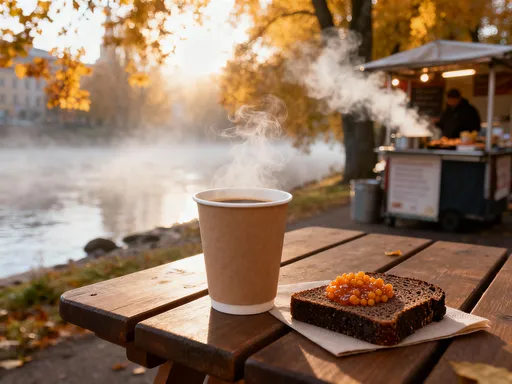
I’ll be honest—I didn’t expect much from Turku, Finland, when I first arrived. But then I tasted a warm rye pastry from a riverside bakery, stumbled upon a bustling local market, and had the best salmon soup of my life with a view of ancient stone walls. Turku isn’t just Finland’s oldest city; it’s a quiet food gem where history and flavor collide. This is real, unfiltered Nordic soul food—honest, hearty, and full of surprises. Let me take you through the flavors that turned my trip around.
Arrival in Finland’s Oldest City: A Humble Gateway to Flavor
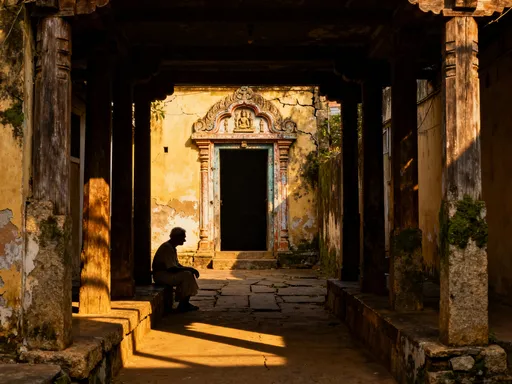
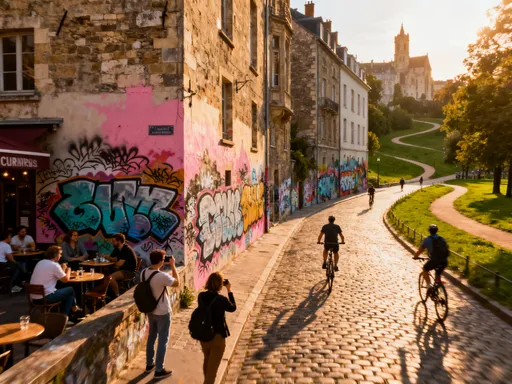
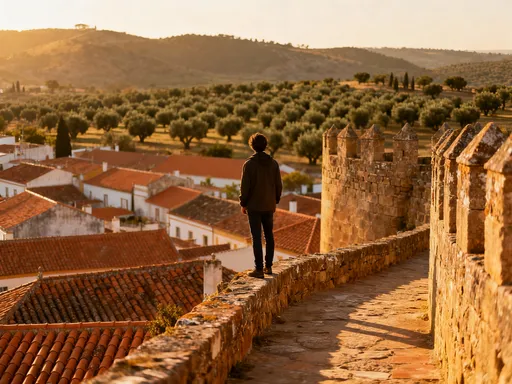
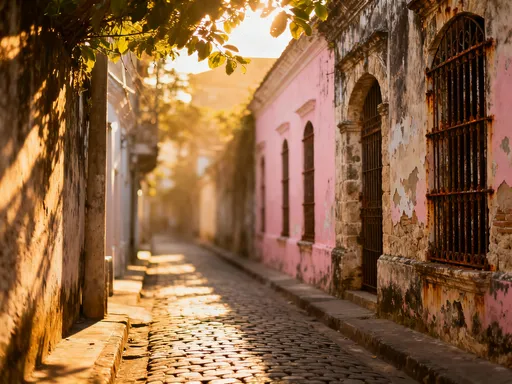
Turku greets visitors with understated charm. Unlike the more cosmopolitan Helsinki, this southwestern Finnish city unfolds at a slower pace, where cobblestone lanes and red-brick warehouses whisper stories of medieval trade and maritime heritage. As the country’s first capital and oldest urban center, Turku carries a quiet confidence—one mirrored in its food culture. The city’s compact size makes it ideal for walking, and every step along the Aura River reveals another layer of its culinary identity. There’s no rush here, no pretense—just a rhythm shaped by seasons, nature, and generations of tradition.
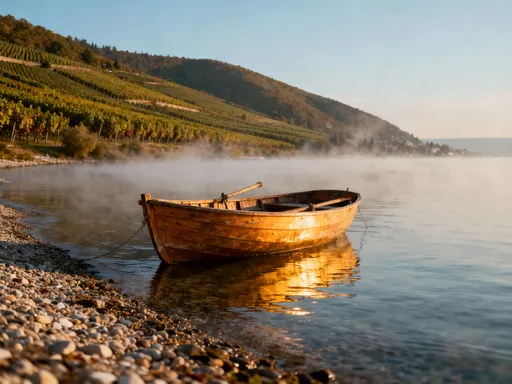
The Aura River is more than a scenic backdrop; it’s the lifeblood of Turku’s daily life and dining habits. For centuries, it has carried fish to market, inspired waterfront cafes, and drawn locals to its banks for summer picnics and winter strolls. Today, restaurants and food vendors cluster along its shores, especially during the warmer months when outdoor seating spills onto wooden decks. The river’s presence ensures that freshness is never far from the table—many dishes feature just-caught Baltic herring, perch, or salmon, pulled from these very waters.
Choosing Turku as the starting point for a Finnish food journey offers a distinct advantage: authenticity without the crowds. While Helsinki attracts global attention with its design-forward eateries and international influences, Turku remains rooted in local tastes. Here, menus aren’t curated for Instagram aesthetics but for nourishment and heritage. It’s the kind of place where grandmothers still bake Karelian pies in home ovens and fishermen sell their catch directly from wooden crates. This isn’t performative tradition—it’s lived experience, and it shows in every bite.
Morning Bites: Where Locals Start Their Day
In Turku, mornings begin simply but with intention. The Finnish breakfast is not an elaborate affair, yet it carries deep cultural significance—rich in fiber, warmth, and comfort. A typical spread includes thick slices of dark rye bread, creamy soft cheese like *leipäjuusto*, boiled eggs, and a steaming cup of strong coffee. This meal sets the tone for the day, providing sustained energy and a quiet moment of pause before work or errands begin. In homes and cafes alike, breakfast is treated as a ritual, not a rush.
One of the best ways to experience this tradition is by visiting a neighborhood bakery near Market Square. These small, family-run spots often open before sunrise, filling the air with the earthy scent of baking rye. At one such bakery, tucked between a flower stall and a vintage bookstore, I watched bakers pull loaves from wood-fired ovens—crusty on the outside, moist and dense within. The staff recommended trying *reikäleipä*, a traditional rye flatbread with a hole in the center, once hung on poles to dry in farmhouses across the countryside. Paired with fresh butter and lingonberry jam, it was humble perfection.
Rye bread is more than a staple in Finland—it’s a symbol of resilience. Grown in the short but intense Nordic summer, rye thrives in poor soil and cold climates, making it a reliable source of sustenance through long winters. Finnish rye bread is typically sourdough-based, fermented for up to 24 hours, which enhances both flavor and digestibility. Many households still make their own, using heirloom recipes passed down through generations. In Turku, this tradition is alive and honored, whether in a grandmother’s kitchen or a modern artisan bakery that blends old methods with sustainable sourcing.
Market Square: The Beating Heart of Turku’s Food Culture
If Turku has a culinary soul, it pulses strongest at Kauppatori, the city’s central Market Square. Open daily during warmer months and on weekends year-round, this vibrant space brings together farmers, fishermen, and food artisans from the surrounding archipelago and countryside. Wooden stalls overflow with seasonal produce—crisp cucumbers in June, plump tomatoes in August, and baskets of wild mushrooms in autumn. The scent of smoked fish mingles with the sweetness of fresh berries, creating an olfactory map of Finland’s natural bounty.
What sets Kauppatori apart is its authenticity. Unlike tourist-centric markets elsewhere, this is where locals shop. Vendors know their regulars by name, and conversations flow easily between stalls. One fishmonger proudly showed me his morning catch of vendace, a small silvery fish native to Nordic lakes, lightly smoked over alder wood. Nearby, a woman sold jars of homemade cloudberry jam, her hands stained yellow from hours of stirring. “These berries grow in the high fells,” she said with a smile. “We pick them in July, when the sun barely sets.”
For visitors, the market offers a rare opportunity to taste the essence of Finnish seasonal eating. Must-try samples include reindeer sausage, grilled over an open flame and served on a piece of rye bread; smoked vendace, best enjoyed with a squeeze of lemon; and cloudberry preserves, tart and golden, often paired with whipped cream or cheese. Even the simplest items—like a cup of fresh-pressed apple cider or a warm cinnamon-sugar bun—feel special here, elevated by the care and pride behind them. The market isn’t just a place to eat; it’s a living classroom in Nordic food culture.
Lunch with a View: Dining Along the Aura River
As the sun climbs higher, Turku’s riverbanks transform into open-air dining destinations. Locals spread blankets on grassy knolls, unpacking homemade lunches of sandwiches, fruit, and thermoses of soup. Others gather at long-standing cafes perched along the water, where large windows and outdoor terraces offer panoramic views of the flowing Aura and the historic Turku Castle in the distance. These spots are especially popular in summer, when daylight stretches into the evening and the city breathes a little slower.
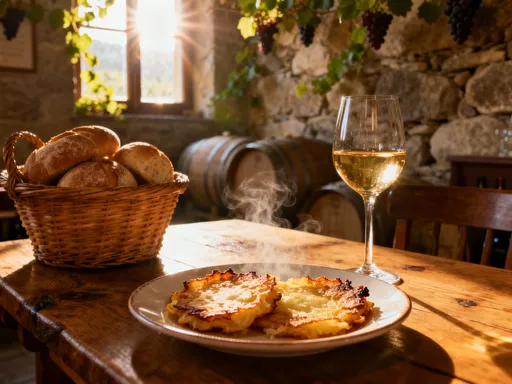
One such café, located in a restored 19th-century boathouse, serves what many consider the city’s finest salmon soup. Made with fresh Baltic salmon, potatoes, leeks, and dill, the soup is creamy without cream—thickened naturally by the starch of the potatoes. Served with a side of rye bread and a pat of herb butter, it’s a dish that feels both nourishing and celebratory. I sat by the water, spooning up the warm broth as rowers glided past, their oars slicing the surface in quiet rhythm. It was a moment of pure contentment, one rooted in simplicity and place.
This kind of meal embodies the Finnish concept of *ruokailu*—the practice of eating as a mindful, social ritual. Unlike the hurried lunches common in many urban centers, Finnish midday meals are treated as a break, a chance to reconnect with oneself and others. At its best, *ruokailu* is about presence: savoring flavors, sharing stories, and appreciating the ingredients in front of you. In Turku, this philosophy is woven into the fabric of daily life, whether at a riverside café or a family kitchen. It’s not about fine dining or exotic tastes, but about intention and connection.
Hidden Eateries: Off-the-Beaten-Path Flavors Only Locals Know
Beyond the well-trodden paths of Market Square and the riverfront, Turku hides a network of intimate, lesser-known eateries known only to residents. One such gem is a small bistro tucked into a converted warehouse district, once a hub for shipbuilders and now a creative quarter for artists and chefs. The restaurant, run by a husband-and-wife team, operates on a seasonal menu that changes weekly, depending on what’s fresh and available. There’s no website, no online reservations—just word of mouth and a chalkboard menu at the door.
Here, I tasted a dish that captured Turku’s evolving food identity: cloudberries served over a warm goat cheese tart, drizzled with birch syrup and sprinkled with crushed hazelnuts. The tart’s crust was made with malted barley flour, adding a toasty depth that balanced the berries’ tartness. It was a modern interpretation of a classic Nordic combination, rooted in tradition but unafraid to innovate. Another standout was a barley risotto with foraged chanterelles and crispy reindeer bacon—earthy, rich, and deeply satisfying.
What makes places like this remarkable is their commitment to slow food principles. Ingredients are sourced within a 50-kilometer radius whenever possible. Vegetables come from nearby organic farms; fish is caught sustainably in the Archipelago Sea; meats are from local game or pasture-raised animals. The chefs often visit suppliers in person, building relationships that ensure quality and traceability. This approach isn’t just about taste—it’s about sustainability, community, and respect for the land. In a world of fast food and global supply chains, Turku’s hidden kitchens offer a refreshing alternative: food that takes time, care, and pride.
Traditional vs. Trendy: The Balance of Old and New in Turku’s Kitchens
Turku’s food scene thrives on a delicate balance between honoring the past and embracing the future. While many restaurants proudly serve time-tested dishes like meatballs with lingonberries or potato casserole with ham, a new generation of chefs is reimagining these classics with contemporary techniques and global influences. The result is a cuisine that feels both familiar and exciting—rooted in heritage but not bound by it.
One of the most striking trends is the revival of fermentation and preservation methods once essential for surviving long winters. Modern kitchens now use these techniques not out of necessity, but as a way to deepen flavor and reduce waste. Fermented root vegetables, pickled wild herbs, and house-made fish sauces appear on menus alongside traditional gravlax. Foraged ingredients—such as wood sorrel, pine shoots, and wild garlic—add bright, unexpected notes to otherwise hearty dishes. Even game meats like elk and hare, once common in rural diets, are making a comeback in refined preparations.
Young chefs in Turku are leading this movement, often trained in Helsinki or abroad but drawn back to their hometowns by a desire to celebrate local identity. They speak passionately about terroir—the idea that food should reflect its place of origin—and work closely with farmers, foragers, and fishermen to create menus that tell a story. At a popular downtown restaurant, I met a chef who spent the morning gathering cloudberries from a nearby bog. “These berries don’t grow everywhere,” he said. “They’re part of who we are.” His menu featured them in both sweet and savory dishes, from a delicate mousse to a glaze for roasted duck.
This fusion of tradition and innovation isn’t about replacing the old with the new, but about expanding what Finnish cuisine can be. It’s a respectful dialogue across generations, where grandmothers’ recipes are not discarded but reinterpreted. The outcome is a food culture that feels alive, evolving, and deeply connected to its roots.
Final Bites and Lasting Impressions: Why Turku Stays With You
On my last evening in Turku, I shared a simple meal at a family-run restaurant near the cathedral. The menu offered only three choices: salmon with dill butter and new potatoes, Karelian stew with barley, or roasted root vegetables with herb cream. I chose the stew—a thick, warming dish made with beef, carrots, and onions, slow-cooked for hours until tender. It arrived in a cast-iron pot, steaming gently, accompanied by a basket of fresh rye bread and a small jar of pickled beets. There were no fancy garnishes, no dramatic plating—just honest, comforting food, served with kindness.
As I ate, I reflected on what made Turku’s food scene so memorable. It wasn’t the grandeur or the spectacle, but the quiet sincerity behind every meal. Here, food is not a performance—it’s a connection. To nature, through the use of seasonal, local ingredients. To history, in the preservation of age-old recipes and methods. And to community, in the way people gather around tables, share stories, and take time to savor. In a world that often values speed and novelty, Turku reminds us that the most meaningful experiences are often the simplest.
For travelers seeking an authentic taste of Finland, Turku offers a perfect starting point. The best time to visit is late spring through early autumn, when markets overflow with fresh produce and outdoor dining is in full swing. Summer also brings the Midnight Sun, allowing for long, leisurely meals under a soft golden sky. To navigate the food scene, start at Kauppatori, talk to vendors, and follow local recommendations. Don’t miss the chance to try Karelian pies, salmon soup, cloudberries, and rye bread in its many forms. And above all, eat slowly, mindfully, and with gratitude.
Turku doesn’t shout about its flavors—it whispers them. From quiet market stalls to riverside tables, every bite tells a story of resilience, seasonality, and care. This city reminds us that great food doesn’t need flash; it just needs truth. Whether you're chasing authenticity or simply a good meal, Turku delivers—not with hype, but with heart.