You Won’t Believe These Hidden City Gems in Cebu
Cebu isn’t just beaches and resorts—its cityscape hides something deeper. I wandered beyond the tourist trails and found a side most never see: quiet colonial alleys, rooftop views at dusk, and local life pulsing through forgotten streets. This is urban Cebu, raw and real. If you think you know the city, think again. What I discovered changed how I travel—and I can’t wait for you to experience it too.
Uncovering Cebu’s Urban Soul
Most travelers arrive in Cebu with visions of turquoise waters, white sand coves, and island-hopping adventures. And rightly so—its coastal beauty is world-renowned. But beneath the postcard-perfect surface lies a vibrant, layered cityscape that too often goes unnoticed. While beachfront hotels and dive excursions dominate itineraries, the true heartbeat of Cebu pulses in its urban core. It’s a place where history, resilience, and everyday life converge in ways that no resort can replicate. To understand the island fully, one must step into the rhythm of its streets, where life unfolds not for show, but in genuine, unfiltered motion.
Shifting from a beach-focused mindset to embracing the city requires a small but meaningful change in perspective. Instead of viewing Cebu as merely a gateway to island escapes, consider it a cultural anchor—a living archive of colonial history, local craftsmanship, and urban adaptation. The city has weathered centuries of transformation, from pre-colonial trade hub to Spanish stronghold, American port town, and now a modern Philippine metropolis. Each layer has left its mark, not in museums alone, but in the very fabric of its neighborhoods, markets, and architecture. This is not a city preserved behind glass; it’s one that breathes, evolves, and invites curiosity.
Walking through Cebu City’s less-photographed districts reveals a different kind of beauty—one found in the hum of early-morning street vendors, the scent of grilled fish and ripe mangoes, and the sight of children playing between century-old stone buildings. There’s a quiet dignity in these everyday moments. The city doesn’t perform for visitors; it simply lives. And for those willing to slow down, this authenticity offers a richer, more lasting impression than any sunset cruise ever could. The real charm of Cebu lies not in what’s advertised, but in what’s overlooked.
The Charm of Colonial Streets in Downtown Cebu
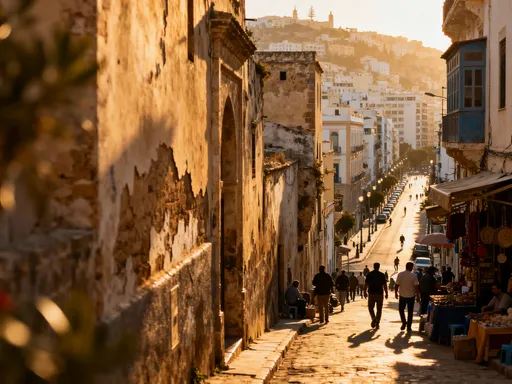
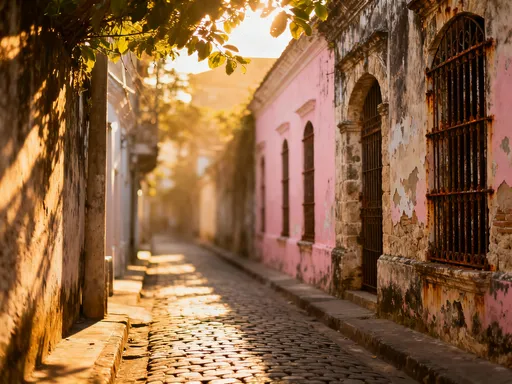
Downtown Cebu holds the echoes of a bygone era, where Spanish colonial architecture still stands amid the bustle of modern life. Neighborhoods like Parian and the old uptown districts are quiet time capsules, where narrow streets are lined with ancestral homes featuring wooden shutters, ornate iron grilles, and thick coral stone walls. These buildings, many over a century old, were once homes to merchants, clergy, and local elites. Today, they house families, small businesses, and even neighborhood chapels, blending heritage with daily utility in a way that feels both natural and reverent.
Walking through these streets at dawn offers a rare sense of stillness. The morning light slants through alleyways, casting long shadows across weathered facades. The air carries the scent of damp stone and freshly brewed coffee from nearby sari-sari stores. In Parian, one of the oldest districts in the Philippines, you’ll find remnants of a once-thriving Chinese merchant community—archways, ancestral markers, and quiet courtyards that speak of a multicultural past. These areas are not restored for tourism; they are lived-in, maintained with care by residents who understand their value not as attractions, but as homes.
Equally striking are the churches and religious structures that anchor the city’s spiritual life. The Basilica Minore del Santo Niño, though a known landmark, is often visited only for its religious significance. Yet standing in its shadow, one can feel the weight of centuries—the blend of indigenous devotion and Catholic tradition that defines much of Filipino faith. Nearby, smaller chapels and convent ruins whisper stories of resilience, having survived earthquakes, wars, and urban expansion. Locals still light candles, say prayers, and celebrate fiestas in these spaces, keeping history alive through ritual rather than display.
What makes these colonial streets so compelling is their authenticity. There are no guided tours shouting through megaphones, no souvenir stalls crowding the sidewalks. Instead, you might pass an elderly woman watering potted plants on her porch, or a carpenter restoring a wooden door with hand tools. These moments aren’t staged; they’re part of an ongoing story. To walk these alleys is to witness history not as a relic, but as a living presence.
Rooftop Escapes Above the Chaos
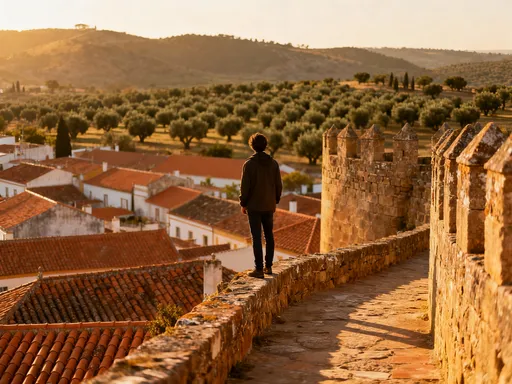
Amid the noise and motion of Cebu City, there are quiet vantage points that offer a different perspective—one that rises above the streets and reveals the city’s soul from above. Rooftops, often overlooked by tourists, provide panoramic views where the urban landscape unfolds in unexpected harmony. From these heights, you see not just buildings, but stories: laundry fluttering in the breeze, families gathering at dusk, and the slow fade of daylight over a skyline dotted with church steeples, construction cranes, and coconut palms.
Some of the best views come from unassuming places—a family-run cafe on the third floor of an old building in Colon Street, or a quiet residential tower near Plaza Independencia where residents welcome visitors with homemade buko juice. These spots aren’t marketed as attractions; they’re shared through word of mouth, often by locals who appreciate those who take the time to look beyond the surface. One such place, a modest coffee shop in the uptown district, offers a west-facing terrace perfect for sunset. As the sky shifts from gold to deep orange, the city lights begin to flicker on, and the sound of jeepneys fades into the evening hum.
The beauty of these rooftop moments lies in their simplicity. You won’t find neon signs or rooftop bars with DJs—just stillness, warmth, and a sense of connection to the city below. Watching the sunset here, you see Cebu not as a destination, but as a living, breathing entity. The mix of old and new—colonial facades beside modern high-rises, tricycles weaving between construction zones—tells a story of adaptation and growth. It’s a reminder that cities, like people, carry their pasts while moving forward.
For travelers, these elevated spaces offer more than just a view; they provide reflection. In a world where tourism often feels rushed and curated, a quiet rooftop at dusk allows for pause. It’s here that many visitors realize Cebu is not just a place to visit, but a place to feel. And that feeling—of being present, of witnessing life as it unfolds—is one of the most valuable souvenirs one can carry home.
Street Markets That Tell a Story
Beyond the famous Carbon Market, Cebu’s true commercial heart beats in its neighborhood markets—smaller, less crowded, and deeply rooted in daily life. These are not performance spaces for tourists; they are where families shop, vendors barter, and generations pass down recipes and traditions. In markets like Taboan, known for dried fish, or the early-morning produce hubs in Lahug and Mabolo, the rhythm of commerce is steady, honest, and full of character.
Taboan, often called the “dried fish capital” of Cebu, is a sensory experience unlike any other. The air is salty and pungent, filled with the smell of sun-dried tuna, squid, and sardines laid out on long bamboo racks. Vendors, mostly women in wide-brimmed hats, work under makeshift tents, their hands moving quickly as they weigh and wrap orders. It’s not a place for the faint of heart, but for those willing to engage, it’s a window into a vital part of Cebuano food culture. Dried fish isn’t just a local delicacy—it’s a staple, preserved through generations as a way to stretch meals and honor the sea’s bounty.
Other markets, like the early-morning vegetable exchange in Mabolo, operate on quiet efficiency. Farmers arrive before sunrise, their carts piled high with eggplant, bitter melon, kangkong, and fresh herbs. Buyers—often cooks from local eateries or housewives filling their baskets—move from stall to stall, inspecting quality and negotiating prices with practiced ease. There’s a language here beyond words: a nod, a gesture, a shared laugh over a particularly plump tomato. These interactions aren’t for show; they’re the foundation of community.
What sets these markets apart is their authenticity. You won’t find souvenir keychains or staged cultural dances. Instead, you’ll see real life: a mother teaching her daughter how to choose the best fish, a vendor sharing stories while slicing mangoes, a stray dog napping in the shade of a fruit cart. These moments, fleeting and unscripted, are what make urban Cebu so compelling. To visit these markets is not to observe, but to participate—even if only by buying a piece of dried fish or a bundle of fresh herbs. In doing so, you become part of the story, however briefly.
How to Navigate the City Like a Local
Exploring Cebu City beyond the tourist zones requires more than a map—it demands a shift in mindset. The city’s transportation system, while efficient, operates on informal rhythms that can be confusing at first. Jeepneys, the colorful relics of American military jeeps, are the backbone of public transit. They follow fixed routes but stop anywhere along the way when hailed. Boarding one requires confidence: a quick wave to the driver, a small fare paid in coins, and a seat shared with students, workers, and elders. It’s not always comfortable, but it’s an authentic way to move through the city.
For shorter distances or areas less served by jeepneys, habal-habal—motorcycle taxis—are a common and practical option. These riders, often locals familiar with backstreets and shortcuts, can get you to hidden neighborhoods quickly. Safety is key: always wear a helmet, choose riders with visible identification if possible, and sit securely. While not regulated like ride-hailing apps, habal-habal services are trusted by residents and offer unmatched access to places buses can’t reach.
Navigating on foot requires attention to detail. Street signs in Cebu are inconsistent, and many areas are known by local names rather than official ones. Apps like Google Maps can help, but they’re not always accurate in narrow alleys or newly developed zones. A better strategy is to ask directions politely—most locals are happy to help, often gesturing enthusiastically or even walking a short way to guide you. Learning a few basic Cebuano phrases, like “Asa man gyud ang…?” (Where exactly is…?) or “Salamat” (Thank you), goes a long way in building rapport.
Respect is the most important tool for any traveler. Avoid pointing cameras at people without permission, especially in markets or residential areas. Dress modestly when visiting churches or older neighborhoods. And remember, you’re a guest in someone’s daily life. The goal isn’t to document every corner, but to move through the city with awareness and humility. When done right, navigating Cebu becomes not just a logistical task, but a form of connection.
The Pulse of Cebu’s Creative Underground
Beneath the city’s traditional surface, a quiet cultural renaissance is unfolding. A new generation of artists, designers, and entrepreneurs is reclaiming forgotten spaces—old warehouses, disused storefronts, and crumbling colonial buildings—transforming them into creative hubs that blend heritage with innovation. These spaces are not in glossy malls or tourist districts, but tucked into side streets of Barangay Lahug, Capitol Site, and even near the old port area, where the city’s industrial past meets its artistic future.
One such space is a repurposed 1950s printing warehouse now housing a collective of ceramicists, illustrators, and textile artists. On weekends, it opens as a pop-up gallery and workshop, where visitors can watch artisans at work, sip locally roasted coffee, and purchase handmade goods. There’s no entry fee, no signage—just a buzzer and a friendly face at the door. These venues thrive on word-of-mouth, drawing both locals and in-the-know travelers seeking something real and unpolished.
Indie cafes, too, are redefining Cebu’s urban landscape. Far from chain coffee shops, these small businesses emphasize sustainability, local sourcing, and community. One in Capitol Site roasts beans from nearby highland farms, while another in Mabolo doubles as a book exchange and poetry reading space. They’re not designed for Instagram aesthetics, but for conversation and comfort. Sitting in one of these cafes, you might overhear students debating philosophy, artists sketching in notebooks, or elders sharing stories over sweet kapeng barako.
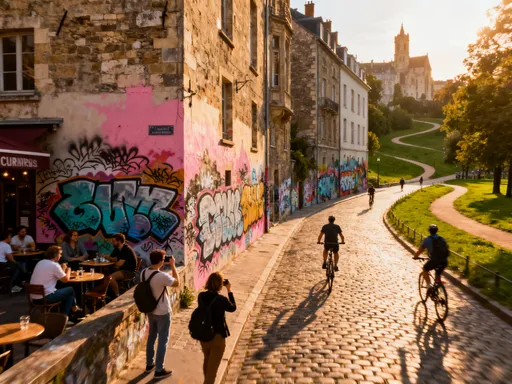
What’s emerging is a new identity for Cebu—one that honors tradition while embracing change. These creative spaces aren’t rejecting the past; they’re reinterpreting it. A mural on a crumbling wall might depict Santo Niño alongside modern street art motifs. A fashion pop-up might use traditional sinamay fabric in contemporary designs. This blend of old and new reflects the city’s resilience—a culture that adapts without losing its soul. For travelers, engaging with this underground scene offers a deeper understanding of Cebu not as a static postcard, but as a living, evolving story.
Why Hidden Cityscapes Matter
In an age of curated travel content and checklist tourism, the value of slow, mindful exploration cannot be overstated. Hidden cityscapes like those in Cebu offer more than novelty—they offer perspective. They remind us that every city is more than its landmarks, that beauty exists not only in perfection but in imperfection, in the cracks between buildings, in the laughter from an open window, in the rhythm of a market at dawn.
Traveling this way changes how we see the world. Instead of collecting photos, we collect moments. Instead of chasing destinations, we engage with people. In Cebu, this means understanding that resilience is not just a word, but a way of life—seen in the way families rebuild after storms, how vendors return each morning despite low profits, how art thrives in spaces others have abandoned. These are not tourist attractions; they are testaments to human spirit.
Moreover, choosing to explore beyond the obvious is an act of respect. It acknowledges that a city belongs to its people first, and that visitors are temporary guests. It encourages us to move with humility, to listen more than we speak, to appreciate without appropriating. When we seek out hidden corners, we’re not just enriching our own experience—we’re supporting communities that thrive on authenticity, not performance.
Cebu teaches a powerful lesson: that the most meaningful travel happens not when we check off attractions, but when we allow ourselves to be surprised. It’s in the unplanned conversation with a street vendor, the quiet moment on a rooftop, the taste of a dish you can’t name but will never forget. These are the experiences that linger, that shape how we see not just a place, but ourselves.
The city’s true beauty isn’t in its postcard views, but in its pulse—the steady, unrelenting beat of life that continues long after the tourists have left. To feel that pulse is to understand Cebu on a deeper level. And in that understanding, we find not just a destination, but a connection.
Cebu’s true beauty isn’t just in its shores—it’s etched in its streets, rooftops, and quiet corners. By stepping off the beaten path, we don’t just see more; we understand more. This city teaches us that every alley has a story, every view holds meaning. Let your next trip be less about checking boxes—and more about feeling alive in the unexpected.