You Gotta See How Algiers Turns Streets Into Stories
Walking through Algiers feels like flipping through pages of a living novel—every alley has a voice, every square a mood. I didn’t expect the city’s urban rhythm to hit me so hard. From the whitewashed cliffs of the Casbah to the buzzing boulevards downtown, Algiers doesn’t just host life—it shapes it. This is more than a travel guide; it’s a look at how people and spaces shape each other in one of North Africa’s most underrated capitals.
First Impressions: The Pulse of a Coastal Metropolis
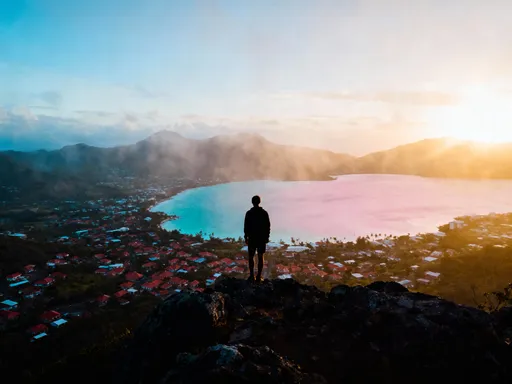
Arriving in Algiers from the hills above, the Mediterranean unfolds beneath like a shimmering silver sheet, catching the morning light and stretching toward the horizon. The city rises in terraces along the slope, a layered composition of white stone, ochre facades, and the occasional glass tower glinting in the sun. This dramatic topography does more than offer scenic views—it defines the rhythm of daily life. Streets curve and climb, staircases zigzag between levels, and the sea remains a constant presence, shaping the air, the light, and the way people move through their days.
The contrast between old and new is immediate and striking. Colonial-era buildings with arched windows and wrought-iron balconies stand shoulder to shoulder with sleek modern high-rises. In the city center, the echoes of French architectural influence blend with post-independence modernism, creating a skyline that tells multiple chapters of history at once. Yet despite the vertical growth and urban density, Algiers never feels impersonal. The streets are alive with motion—commuters in crisp shirts rushing to work, students balancing books as they descend steep pathways, and vendors arranging fruit with meticulous care on wooden carts.
What stands out most is the city’s organic flow. Unlike grid-planned metropolises, Algiers evolved with the land, not against it. This means navigating by landmarks rather than numbered streets, learning which alley leads to which plaza, and understanding that a five-minute walk downhill becomes a ten-minute climb back. But this topographical challenge fosters intimacy. Residents develop a deep, almost instinctual knowledge of their surroundings, and visitors who slow down begin to feel the same connection. The city rewards patience and curiosity, revealing its layers only to those willing to walk its winding paths.
Daily life pulses with a quiet urgency. At dawn, the scent of fresh bread drifts from corner bakeries, and the clatter of metal shutters opening signals the start of commerce. By mid-morning, the main avenues hum with activity—buses groan uphill, trams glide silently past, and pedestrians weave through designated crossings with practiced ease. There’s a rhythm to it all, a sense that while Algiers is growing and changing, it remains rooted in a way of life that values presence, interaction, and the simple act of being in public space.
The Casbah: Where History Breathes in Stone and Shadow
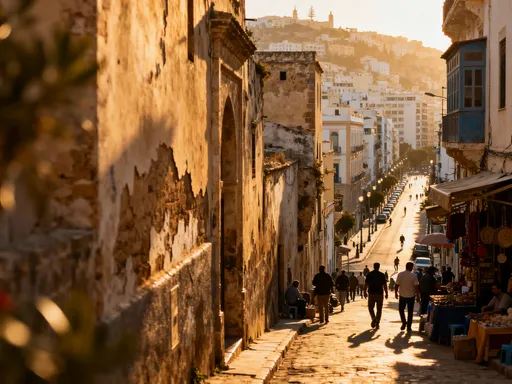
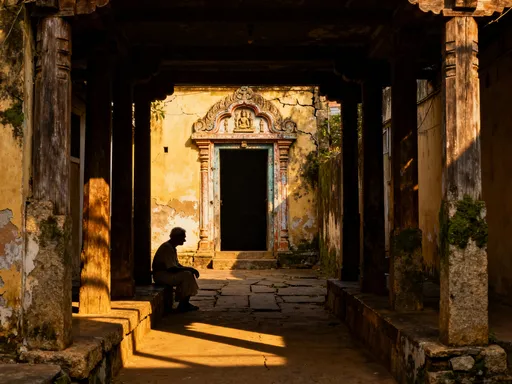
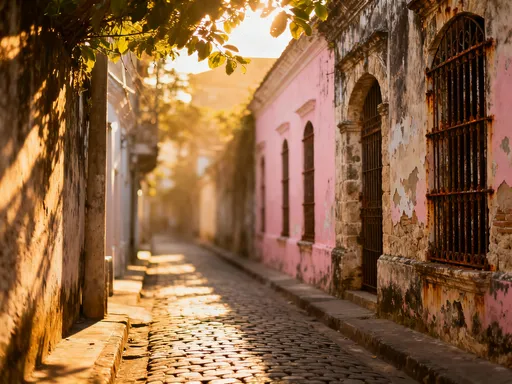
Perched on a steep hill overlooking the bay, the Casbah of Algiers is not just a historic district—it is a living, breathing urban organism. As a UNESCO World Heritage site, it carries the weight of centuries, yet it functions as a vibrant residential neighborhood where families raise children, shopkeepers greet neighbors, and elders sip tea in shaded courtyards. To walk through the Casbah is to step into a city within a city, one built vertically and inward, where every turn reveals a new vista, a hidden staircase, or a quiet nook tucked behind a heavy wooden door.
The architecture here is a testament to adaptation. Homes are stacked like puzzle pieces, connected by narrow staircases and covered passageways that protect residents from sun and rain. Courtyards open unexpectedly, often centered around a fountain or a single tree, offering moments of stillness amid the climb. Many buildings date back to the Ottoman period, with thick walls, arched doorways, and latticed windows that allow privacy while inviting in light and air. Over time, these structures have been modified, extended, and repurposed, reflecting the needs of generations who have called this place home.
Yet preservation remains a pressing challenge. The Casbah is densely populated, and many buildings suffer from structural wear due to age, weather, and limited maintenance. Efforts to restore and stabilize the area have been ongoing, but they must balance the need for safety and modernization with respect for historical integrity. Some restoration projects have succeeded in reinforcing foundations and improving utilities without altering the district’s character, while others have faced criticism for over-modernization or displacement of residents. The goal, increasingly recognized by local authorities and heritage experts, is to preserve the Casbah not as a museum piece, but as a lived-in cultural landscape.
For visitors, the experience of walking the Casbah is unparalleled. There are no grand monuments or ticketed attractions—just the authenticity of daily life unfolding in an ancient setting. Children chase each other down alleyways, women hang laundry across narrow streets, and the call to prayer echoes off stone walls, blending with the distant sound of the sea. The sense of time here is layered; one moment you’re passing a centuries-old mosque, the next you’re buying water from a modern convenience stall tucked into an archway. This coexistence of old and new, sacred and mundane, is what gives the Casbah its soul.
Grand Boulevards and Urban Renewal: Algiers Rebuilding Itself
In recent decades, Algiers has undergone a quiet but significant transformation, particularly along its grand boulevards and central districts. Boulevard Mohamed Khider, once a congested artery dominated by traffic, has been reimagined as a more pedestrian-friendly corridor with wider sidewalks, landscaped medians, and designated rest areas. This shift reflects a broader urban strategy: to make public space more inviting, functional, and conducive to social life. The changes are subtle but meaningful—benches where people can sit and watch the world pass, trees that offer shade, and lighting that enhances safety after dark.
These renovations are part of a larger effort to redefine what city life can be in Algiers. In the past, many public spaces were designed primarily for transit—routes to get from home to work, not places to linger. Today, there is a growing emphasis on creating environments where people can gather, relax, and interact. Parks like Jardin d’Essai have been revitalized with better maintenance and accessibility, while new green zones have been introduced in residential areas. The goal is not just beautification, but fostering a sense of ownership and community in shared spaces.
Pedestrian zones, though still limited in number, are expanding. In the city center, certain streets are closed to vehicles during weekends or holidays, allowing families to stroll, children to play, and street performers to entertain. These temporary transformations reveal what is possible—a city that prioritizes people over cars, connection over congestion. While challenges remain, including traffic management and enforcement of pedestrian rules, the trend is clear: Algiers is learning to breathe again, one walkable block at a time.
At the heart of this renewal is a delicate balancing act—modernizing the city without erasing its identity. Architects and urban planners are increasingly consulting historical references and local preferences when designing new spaces. Materials, colors, and layouts often echo traditional Algerian aesthetics, ensuring that even as the city grows upward and outward, it remains visually and culturally cohesive. This respect for continuity is especially important in a capital that has endured colonial rule, independence, and rapid urbanization. Each layer of change is now seen not as a break from the past, but as a dialogue with it.
Public Transport as Urban Connector: From Tram to Taxi
One of the most transformative developments in Algiers’ recent history is the introduction of its modern tramway system. Gliding along dedicated tracks through key districts, the tram offers a smooth, efficient, and affordable way to navigate the city. For residents and visitors alike, it has become a vital thread connecting neighborhoods that were once difficult to traverse due to traffic and topography. The stations, designed with clean lines and clear signage, reflect a commitment to accessibility and user comfort, with shelters, seating, and real-time arrival displays.
The impact of the tram extends beyond convenience. It has reshaped how people experience the city, making distant areas more accessible and encouraging a shift away from car dependency. Neighborhoods once considered peripheral are now within easy reach, fostering greater economic and social integration. Students can commute more reliably, workers save time, and families can visit relatives across town without the stress of driving. The tram has also influenced urban development, with new housing and commercial projects emerging near stations, a pattern seen in cities worldwide where public transit drives growth.
Yet the tram is just one piece of a larger transportation ecosystem. Complementing it are louages—shared taxis that operate on fixed routes and depart when full. These white or yellow minibuses are a staple of Algerian urban life, offering a flexible, informal alternative to formal transit. While they lack the comfort and predictability of the tram, they reach areas the tram does not and often move faster through narrow streets. For many residents, especially in hilly or less-served districts, louages remain the preferred mode of daily travel.
Navigating Algiers’ transit system requires a blend of planning and adaptability. The tram runs on a reliable schedule, but louages operate on an unwritten rhythm known mostly to locals. To travel like a resident, one learns to recognize the common routes, to signal the driver with a raised hand, and to expect a lively, sometimes crowded ride. Cash is the norm, and fares are modest. For visitors, a little observation goes a long way—watching where others board, listening for destination calls, and asking politely when in doubt. Over time, even newcomers begin to move through the city with greater confidence, weaving between tram lines and taxi stops with ease.
Markets and Squares: The Social Heartbeat of the City
If the tram and boulevards are the arteries of Algiers, its markets and squares are the heart. Place des Martyrs, a broad, open plaza in the city center, serves as a natural gathering point. By day, it’s a crossroads for commuters and shoppers; by evening, it becomes a place to stroll, socialize, and enjoy the cool air drifting in from the sea. Benches fill with couples, families, and friends, and the surrounding cafés buzz with conversation. The square’s design—simple, open, and centrally located—makes it ideal for both movement and stillness, a rare balance in urban planning.
Nearby, the Marché de la Plaine offers a different kind of energy. This bustling marketplace is a sensory immersion—stacks of ripe tomatoes, mounds of golden spices, and the constant hum of bargaining. Vendors call out their prices, customers inspect produce with care, and the air carries the mingled scents of mint, cumin, and freshly baked bread. What makes this market more than just a place to shop is its role as a social hub. Regular customers know their favorite sellers, exchange news, and often linger for tea after transactions are complete. These informal interactions are the fabric of community life, strengthened by the design of the market itself, which encourages walking, stopping, and talking.
Street life in Algiers thrives because of small, intentional details. Kiosks selling newspapers, phone credit, and snacks are scattered throughout neighborhoods, acting as mini social nodes. Corner cafés, often little more than a few tables and a coffee machine, serve as informal meeting spots where men discuss politics, students review notes, and retirees pass the afternoon. These spaces are not grand or architecturally significant, but they are essential. They provide continuity in daily routines and create opportunities for spontaneous connection.
Urban designers are beginning to recognize the value of such informal activation. In newer developments, there is a growing effort to incorporate elements that encourage lingering—shaded seating, drinking fountains, and small retail nooks. The lesson from Algiers’ most successful public spaces is clear: people stay where they feel comfortable, safe, and engaged. When a square has trees, benches, and something to watch or do, it becomes more than a transit point—it becomes a destination in itself.
Architecture as Identity: Colonial, Islamic, and Brutalist Layers
The built environment of Algiers tells a story of shifting powers, ideologies, and identities. Walking through the city, one encounters a rich architectural tapestry—Ottoman-era mosques with green-tiled domes, French colonial buildings with neoclassical facades, and post-independence Brutalist structures that speak to a modernist vision of progress. Each style reflects not just aesthetic choices, but historical moments and cultural influences that continue to shape the city’s character.
The colonial legacy is particularly visible in the city center, where wide avenues and symmetrical plazas echo 19th-century French urban planning. Buildings from this era often feature ornate stonework, arched windows, and wrought-iron balconies—design elements that remain popular among residents for their elegance and durability. After independence in 1962, Algeria embarked on a wave of construction aimed at asserting national identity and meeting the needs of a growing population. This led to the rise of Brutalist architecture—massive, geometric concrete structures designed for function and resilience. While some find these buildings imposing, others appreciate their boldness and historical significance.
In recent years, there has been a growing interest in adaptive reuse—finding new purposes for old buildings rather than demolishing them. A former colonial administrative office might become a cultural center, a disused warehouse could house artist studios, and a mid-century government building might be retrofitted with modern amenities while preserving its original form. These projects not only conserve resources but also maintain a visual link to the past, allowing residents to see their history reflected in the cityscape.
Public perception of architecture is evolving. While some view the colonial buildings as reminders of a painful history, others see them as part of Algeria’s complex heritage, worthy of preservation. Similarly, Brutalist structures, once seen as utilitarian, are gaining appreciation for their architectural integrity and historical value. This shift reflects a broader cultural maturity—one that acknowledges the past without being defined by it, and that values continuity alongside progress.
Local Life in Neighborhoods Beyond the Center
To truly understand Algiers, one must venture beyond the postcard views and administrative centers into its residential neighborhoods. Areas like El Biar and Bouzareah, nestled in the hills above the city, offer a quieter, more intimate portrait of daily life. These mid-rise apartment complexes, often surrounded by gardens and trees, house families who value privacy, green space, and a slower pace. Balconies overflow with potted plants, laundry flutters in the breeze, and children play in courtyards under the watchful eyes of elders.
What stands out in these neighborhoods is how residents personalize shared spaces. A simple staircase might be lined with flower boxes, a communal wall adorned with hand-painted tiles, or a vacant lot transformed into a makeshift playground. These small acts of care and creativity reflect a deep sense of belonging. Unlike cities where residential zones feel sterile or anonymous, Algiers’ neighborhoods pulse with individuality and warmth. Even in apartment buildings, there is a culture of recognition—neighbors greet each other by name, share food during holidays, and look out for one another.
Family life here follows a gentle rhythm. Mornings begin with tea and bread, afternoons are marked by school pickups and market visits, and evenings unfold on balconies or in living rooms filled with conversation. The pace is not rushed, and there is room for spontaneity—a last-minute visit from a cousin, a neighbor dropping by with fresh figs, a spontaneous game of cards. These moments, unremarkable in isolation, accumulate into a rich social fabric that sustains community life.
For the observant traveler, these quiet neighborhoods reveal the true character of Algiers. It is not in the grand monuments or tourist sites, but in the way a woman waves from her window, how children call out to passing friends, or how a street vendor knows exactly how much sugar his regular customer likes in their coffee. These details, small and fleeting, are the real story of the city—one written not in guidebooks, but in the daily lives of its people.
Conclusion
Algiers isn’t just a place you visit—it’s one you feel. Its urban fabric tells a story of resilience, adaptation, and cultural fusion. By understanding its streets, squares, and systems, travelers gain more than directions—they gain insight. This city proves that urban space isn’t just about design; it’s about life, lived loudly and authentically. The real journey begins when you stop sightseeing and start seeing.