You Won’t Believe What I Found on Namibia’s Wild Skeleton Coast
The Skeleton Coast in Namibia isn’t just a place—it’s a raw, untamed world of shipwrecks, desert dunes, and seals by the thousands. I went expecting silence, but found something far more powerful: nature in its most honest form. If you’re chasing real adventure, not just photo ops, this coast will redefine what travel means. It’s not a destination for those seeking luxury resorts or bustling markets. Instead, it offers a rare chance to stand at the edge of civilization and witness a landscape shaped by time, wind, and isolation. For women who long to step beyond the familiar, to breathe air untouched by crowds and see beauty in desolation, this is a journey worth considering.
Why the Skeleton Coast Stands Apart
The Skeleton Coast is not like any shoreline you’ve seen before. Stretching more than 500 kilometers along Namibia’s Atlantic coast, it marks where the ancient Namib Desert collides with the icy currents of the ocean. This is not a place of gentle waves and golden sands, but of vast, windswept plains, towering dunes, and a coastline scattered with the remnants of human ambition—rusted hulls of ships that once dared to navigate its treacherous waters. The name itself speaks volumes: derived from the whale bones and wreckage once strewn across the beach, it reflects a history of danger, mystery, and natural power.
What sets this region apart is its profound sense of isolation. Few places on Earth remain this untouched by modern development. There are no seaside cafes, no souvenir stands, no footprints leading the way. What you find instead is silence—deep, expansive, and almost reverent. The fog rolls in daily from the Atlantic, a natural veil created by the cold Benguela Current meeting the hot desert air. This mist is not just atmospheric drama; it sustains life. Lichens, some of the oldest living organisms on the planet, cling to rocks, drawing moisture from the fog. Beetles tilt their bodies to harvest droplets, a survival technique perfected over millennia.
This coast challenges the idea that beauty must be comfortable. Its power lies in contrast—the soft curve of a dune against the jagged frame of a shipwreck, the rhythmic crash of waves beside absolute stillness just inland. It’s a place where nature operates on its own terms, indifferent to human presence. For travelers, especially women who often carry the weight of daily responsibilities, this kind of raw authenticity can be deeply restorative. To walk here is to remember what it feels like to be small in a vast world—and to find peace in that truth.
Getting There: Logistics and Access Tips
Reaching the Skeleton Coast is part of the adventure, but it demands careful planning. Most international travelers begin in Windhoek, Namibia’s capital, where flights connect from major African hubs. From there, the journey continues to the coastal towns of Swakopmund or Walvis Bay. These towns serve as gateways, offering a last chance to stock supplies, confirm permits, and meet with tour operators. While Swakopmund has a colonial charm and a few comforts, it’s best viewed as a launchpad rather than a destination in itself.
Access to the northern sections of the Skeleton Coast National Park is strictly controlled. There are no paved roads, and many routes are passable only by high-clearance 4x4 vehicles equipped for deep sand and dry riverbeds. Self-driving is possible but only advisable for those with extensive off-road experience. The terrain is unforgiving; getting stuck can mean hours—or days—of delay, and rescue services are limited. For most visitors, the safest and most enriching option is to book a guided expedition with a licensed operator. These tours often include charter flights into remote areas, allowing travelers to bypass the most difficult stretches while maximizing time on site.
Permits are required for entry into protected zones, and these must be arranged in advance through Namibia’s Ministry of Environment, Forestry and Tourism or through an authorized tour provider. It’s important to note that these regulations are not bureaucratic hurdles—they are essential tools for conservation. The Skeleton Coast is fragile, and every measure taken to limit access helps preserve its integrity. For women traveling solo or in small groups, joining a reputable tour also offers peace of mind, with experienced guides who understand the region’s challenges and can provide both safety and insight.
Best Time to Visit: Weather, Wildlife, and Visibility
Choosing the right time to visit the Skeleton Coast can make the difference between a challenging experience and a truly rewarding one. The region has a narrow window of optimal conditions, largely dictated by temperature, fog patterns, and wildlife activity. The months from June to September are generally considered the best for travel. During this period, the coastal fog is most frequent, creating an ethereal atmosphere that enhances the landscape’s mysterious quality. While the fog can reduce visibility, it also keeps temperatures mild—typically between 10°C and 20°C (50°F–68°F)—making daytime exploration comfortable.
This cooler season also aligns with peak wildlife activity. The Cape Cross seal colony, one of the largest in the world, is especially active during these months. Tens of thousands of Cape fur seals gather on the rocky shores, creating a scene that is both mesmerizing and overwhelming. The sound of barking seals, the scent of the ocean, and the sight of pups tumbling over rocks offer a vivid reminder of nature’s vitality, even in such an arid environment. For those interested in photography or animal behavior, this is an unparalleled opportunity.
From October to February, temperatures rise, particularly inland, where daytime heat can exceed 35°C (95°F). Coastal areas remain cooler due to the ocean influence, but sun exposure is intense. While skies are clearer during this period, the heat can make extended outdoor activity difficult. That said, this season coincides with the seal pupping season at sites like Cape Frio, where newborn pups add a tender contrast to the rugged surroundings. If you choose to visit in the warmer months, plan activities for early morning or late afternoon, and always stay hydrated. Regardless of season, rain is extremely rare—less than 15 millimeters annually in some areas—so packing for dry, windy conditions is essential year-round.
Must-See Natural Wonders: From Dunes to Shipwrecks
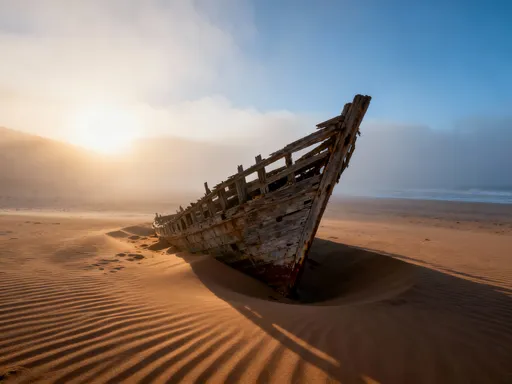
The Skeleton Coast is filled with landmarks that seem almost otherworldly. Each site tells a story of endurance, time, and the relentless forces of nature. One of the most iconic is the Eduard Bohlen, a German cargo ship that ran aground in 1909 and now lies half-buried in the sand, slowly being consumed by the dunes. Its rusted frame rises from the desert like a relic from another era, a silent witness to the coast’s dangers. Standing beside it, you can feel the weight of history and the power of nature’s reclamation.
Another must-see is the Agate Mountain fossil dunes, an area where ancient sand dunes have been mineralized into rock over millions of years. The striated patterns in the stone resemble a painter’s canvas, with swirls of red, orange, and gray telling the story of shifting climates and eras. This site offers not just visual beauty but a deep sense of geological time—an experience that can be profoundly grounding for anyone seeking perspective.
The Cape Cross seal colony is another highlight, home to over 100,000 seals at its peak. The noise is deafening, the smell strong, but the energy is undeniable. Watching mothers nurse their pups or bulls asserting dominance provides a raw look at the cycle of life. Further inland, near the Hoarisib River, there’s a chance to see desert-adapted elephants—rare, resilient animals that have learned to survive with minimal water. These elephants travel great distances, their footprints marking the sand like quiet messages from the wild.
Don’t overlook the salt pans near Conception Bay, where the flat, white expanse creates surreal mirages under the midday sun. The play of light and reflection can make the horizon disappear, giving the illusion of walking on air. These moments—when the landscape seems to defy logic—are what make the Skeleton Coast unforgettable. Each location invites reflection, not just on what you’re seeing, but on your place within the natural world.
Survival Tips: Staying Safe in an Extreme Environment
The Skeleton Coast is not a place to take lightly. Its beauty is matched only by its demands. Safety begins with preparation. Travelers must carry more water than they think they’ll need—at least four liters per person per day—and have extra fuel, spare tires, and emergency supplies. Cell phone coverage is nonexistent in most areas, so a satellite phone or emergency beacon is highly recommended. Inform someone of your travel plans and expected return, even if you’re on a guided tour.
Heat management is critical. Avoid hiking or strenuous activity during the middle of the day, especially in the warmer months. The sun is intense, and shade is scarce. Wear lightweight, long-sleeved clothing to protect against UV exposure, and use a wide-brimmed hat and high-SPF sunscreen. Dehydration can sneak up quickly, so drink water regularly, even if you don’t feel thirsty.
Riverbeds, while appearing dry, can become flash flood zones after rare rains, even if the storm occurred miles away. Never camp or park in a dry riverbed. Navigation tools are essential—a GPS device with preloaded maps, a compass, and physical maps as backup. Sand dunes shift, landmarks disappear, and trails are not always marked. For women traveling alone or in small groups, staying with a guide or group adds an important layer of security.
Wildlife encounters should be approached with caution and respect. Seals may appear curious, but they are wild animals and can bite if provoked. Keep a safe distance—ideally at least 20 meters. Never feed or attempt to touch any animals. The same goes for birds, reptiles, and insects. This is their home; we are the visitors. By following these guidelines, you protect not only yourself but the integrity of the environment.
Responsible Travel: Protecting a Fragile Ecosystem
The Skeleton Coast is one of the most fragile ecosystems on the planet. Its lichen fields, some over 5,000 years old, can be destroyed by a single vehicle track. These slow-growing organisms are vital to the desert’s delicate balance, providing food and shelter for insects and stabilizing the soil. That’s why it’s crucial to stick to designated routes and avoid driving off established paths. Every footprint matters.
Leave no trace is not just a suggestion here—it’s a responsibility. Pack out all trash, including food wrappers, tissues, and batteries. Do not remove stones, bones, or artifacts, even as souvenirs. These items are part of the landscape’s story and belong to the land. Disturbing them disrupts both ecology and cultural heritage. If you bring something in, bring it out.
Support eco-conscious tour operators who follow conservation guidelines, employ local guides, and contribute to community-based tourism initiatives. These companies often fund anti-poaching efforts, habitat restoration, and environmental education. By choosing them, you help ensure that tourism benefits both the land and the people who live near it.
Responsible travel also means respecting silence and solitude. This is not a place for loud music, fireworks, or large gatherings. The value of the Skeleton Coast lies in its stillness. For women who often manage noisy households and busy schedules, this quiet can be a gift. Protecting it means preserving space for reflection, healing, and connection with nature.
Why This Journey Stays With You
The Skeleton Coast does not dazzle with color or comfort. It reveals itself slowly, in moments of stillness. It’s in the way the fog swallows a dune at sunset, or how a single beetle glints in the morning light. It’s in the silence that follows the roar of the ocean, the sense of standing at the edge of the world. This journey doesn’t just change what you see—it changes how you see.
For women who carry the roles of caregiver, planner, and anchor in their families, this kind of experience can be transformative. To step away from routine, to face a landscape that asks nothing of you but presence, is a rare form of freedom. There are no demands here, no expectations—only the wind, the sand, and the sea.
Many who visit say they return home changed. Not because they saw something beautiful, but because they felt something real. The coast strips away distractions and reminds us of our place in a much larger story. It teaches resilience, not through words, but through example—the shipwreck still standing, the plant growing in cracked stone, the elephant walking where no water flows.
This is not a trip for everyone. It requires effort, respect, and a willingness to embrace discomfort. But for those who go, it becomes more than a memory. It becomes a touchstone—a quiet voice that says, even in the busiest moments of life, there is still wildness in the world. And sometimes, all we need is to stand beside it, breathe deeply, and remember that we are part of it.