You Won’t Believe These Hidden Corners of Grindelwald
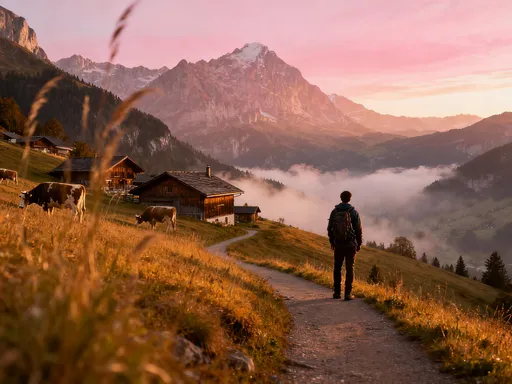
Nestled in the heart of the Swiss Alps, Grindelwald is more than just a postcard-perfect village. Beyond the famous viewpoints and crowded trails, there are quiet districts where time slows down and nature whispers. I wandered off the tourist map and discovered neighborhoods filled with charm, history, and untouched beauty. This isn’t just another travel guide—it’s a real look at the side of Grindelwald most people never see. Away from the cable cars and souvenir shops, life unfolds in wooden chalets draped with geraniums, along footpaths lined with wild thyme, and in the soft chime of cowbells drifting through morning mist. For travelers seeking authenticity, these lesser-known corners offer not only peace but a deeper connection to alpine culture.
The Pulse of Grindelwald: More Than Just Mountains
Grindelwald has long been celebrated as one of Switzerland’s most iconic alpine destinations, drawing visitors with its dramatic backdrop of the Eiger North Face and its reputation as a gateway to high-altitude adventures. Yet beneath its polished exterior lies a community that balances global appeal with deep-rooted tradition. While many tourists flock to the First Cliff Walk or ride the cogwheel train toward Kleine Scheidegg, they often overlook the quiet rhythm of daily life that pulses through the village’s residential districts. These areas are not designed for spectacle—they exist for living, working, and preserving a way of life shaped by centuries of mountain seasons.
What makes Grindelwald unique is how seamlessly it integrates tourism into its cultural fabric without losing its soul. Local families still manage dairy farms on steep slopes, children walk to school past grazing cows, and elders gather in village squares speaking Swiss German with a melodic cadence. The town’s popularity brings economic stability, but it also creates pressure on infrastructure and natural spaces. That’s why understanding the quieter parts of Grindelwald isn’t just about finding solitude—it’s about recognizing the delicate equilibrium between welcome and preservation. When travelers explore beyond the main promenades, they begin to see the village not as a destination but as a home.
Each district within Grindelwald carries its own character, shaped by elevation, history, and community. Some are nestled in forested hollows, others perch on sun-drenched ridges. Each offers a different perspective—not only of the landscape but of how people coexist with it. By shifting focus from iconic landmarks to these localized experiences, visitors gain insight into what truly sustains alpine life: resilience, seasonality, and a quiet pride in craftsmanship and hospitality. These neighborhoods may lack flashy attractions, but they offer something rarer—authenticity.
Dorf: Where Tradition Lives Quietly
Dorf, the historic heart of Grindelwald, stands apart from the modernized sections of the village with its preserved architecture and unhurried pace. Walking through Dorf feels like stepping into a living museum, where every timber-framed chalet tells a story of generations past. The buildings, painted in warm ochres and creams, are adorned with intricate wood carvings and overflowing flower boxes that bloom in summer and sleep under snow in winter. This is not a reconstructed village center created for tourists—it is a genuine residential area where families have lived for decades, tending gardens, repairing roofs, and passing down traditions quietly but steadily.
One of the most striking aspects of Dorf is the absence of commercial noise. There are no souvenir stalls or crowded cafés here, just the occasional family-run dairy selling fresh cheese and milk. In the early morning, the air fills with the lowing of cows being led to pasture, their bells echoing softly against stone walls. Elders sit on benches outside their homes, exchanging greetings in Swiss German, while children pedal bicycles down cobbled lanes. These moments are not staged for visitors—they are simply part of the day’s rhythm. For the observant traveler, such details offer a rare window into alpine domesticity.
Exploring Dorf rewards those who move slowly. A narrow footpath winds behind the church, leading to a small meadow where wildflowers sway in the breeze. Along the way, wooden signs point to hiking trails that locals use daily—routes that eventually connect to higher pastures but begin right in their backyards. The sense of continuity is palpable: the same paths used by shepherds a century ago are still trodden today. Even the church, with its modest steeple and weathered bell, serves as both a spiritual anchor and a community landmark. Dorf does not demand attention, but those who pay attention are deeply rewarded.
Visitors are welcomed here, but the invitation is subtle. A nod from a gardener, a smile from a shopkeeper—these small gestures signal inclusion without intrusion. There’s no need to rush or capture the perfect photograph. Instead, Dorf encourages presence: the warmth of sun on stone walls, the scent of pine resin, the distant call of a marmot from the hills. It’s a reminder that some of the most meaningful travel experiences happen not in grand vistas but in quiet corners where life unfolds naturally.
Wengernalp: A Step Back in Time
Perched at a higher elevation and accessible only by a scenic train ride or a steady hike, Wengernalp remains one of Grindelwald’s best-kept secrets. This tranquil district lies just beyond the reach of mass tourism, nestled between forested slopes and open meadows with sweeping views of the Lütschine Valley. Unlike the bustling base village, Wengernalp exudes a sense of stillness, where the only sounds are the rustle of alpine grass, the occasional bleat of sheep, and the distant rush of mountain streams. It is a place where time seems to pause, allowing visitors to breathe deeply and recalibrate their sense of pace.
The journey to Wengernalp itself is part of its charm. Travelers can board the vintage yellow train that departs from Grindelwald Dorf station, winding slowly through tunnels and across wooden trestles. The carriages, with their polished wood interiors and large windows, offer panoramic views as the landscape climbs into thinner air. Alternatively, a two-hour hike from the village follows a well-marked trail through larch forests and across wooden bridges, providing a gradual ascent that rewards with changing scenery at every turn. Both routes emphasize slowness—an antidote to the speed of modern travel.
Upon arrival, visitors find a cluster of modest guesthouses and a few family-run inns that have operated for generations. These accommodations are simple but warm, offering hearty meals made from local ingredients—think rye bread baked in stone ovens, creamy alpine cheese, and herbal teas gathered from nearby slopes. There are no luxury spas or high-end boutiques here, nor are there crowds jostling for space. What Wengernalp lacks in amenities, it makes up for in atmosphere: a genuine sense of retreat.
The district’s remoteness ensures that its character remains unspoiled. Because it is not directly connected to major ski runs or cable car systems, it escapes the seasonal surges of winter and summer tourism. Families come here for week-long stays, children play freely in the meadows, and hikers use it as a quiet base for exploring higher trails. For those seeking solitude without isolation, Wengernalp offers the perfect balance—accessible enough to reach comfortably, yet distant enough to feel truly removed from the everyday world.
Immeasurable Magic: The Untouched Trails of Bodmen
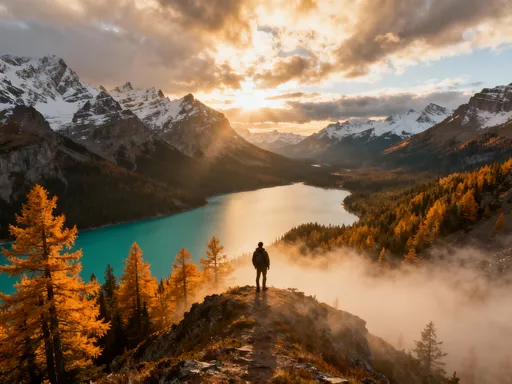
Among Grindelwald’s most cherished yet under-visited areas is Bodmen, a high-altitude plateau that serves as both a seasonal grazing ground and a hiker’s paradise. Located above the treeline, Bodmen unfolds in a series of rolling meadows dotted with traditional pasture huts known as *Sennhütten*. These small wooden structures, some dating back over a century, are still used during summer months by local dairymen who bring cattle up from lower valleys to feed on nutrient-rich alpine grass. The scent of fresh hay and wood smoke lingers in the air, blending with the crisp clarity of mountain breezes.
Hiking in Bodmen is an experience defined by space and silence. Trails here are less crowded than those leading to more famous destinations like Schynige Platte or Männlichen, allowing visitors to walk for hours without encountering large groups. The main route, a well-maintained footpath that loops around the plateau, offers uninterrupted views of the Eiger, Mönch, and Jungfrau peaks. In July and August, the meadows burst with color—edelweiss, gentians, and alpine asters carpet the slopes in purples, whites, and blues. It’s not uncommon to spot marmots sunning themselves on rocks or golden eagles circling high above.
What makes Bodmen especially meaningful is its connection to living tradition. The seasonal movement of livestock, known as *Alpwirtschaft*, is a centuries-old practice still actively maintained in this region. Visitors who time their trip right may witness the *Alpabfahrt*—the ceremonial descent of decorated cows back to the valley in autumn—a celebration of harvest and homecoming. Even outside festival times, the presence of herders and their animals adds a layer of authenticity that cannot be replicated in more commercialized zones.
For responsible travelers, Bodmen presents an opportunity to engage with nature respectfully. Trail markers are clearly posted, and hikers are encouraged to stay on designated paths to protect fragile vegetation. Waste must be carried out, and drones are prohibited to preserve the peace. There are no restaurants or convenience stores, so preparation is key—bringing water, snacks, and weather-appropriate clothing ensures a safe and enjoyable experience. But for those willing to plan ahead, Bodmen offers one of the purest forms of alpine immersion available near Grindelwald.
From Village to Viewpoint: Smart Destination Choices
Choosing to visit lesser-known districts like Dorf, Wengernalp, and Bodmen is not merely an alternative—it’s a strategic decision that enhances the quality of travel. While popular viewpoints such as First or Pfingstegg deliver undeniable beauty, they also come with predictable drawbacks: long lines, crowded observation decks, and elevated prices for food and souvenirs. In contrast, quieter areas offer equivalent, if not superior, scenic rewards with the added benefits of peace, privacy, and personal connection. A sunrise seen from a meadow in Bodmen, undisturbed by chatter or camera flashes, carries a depth of meaning that no Instagram post can fully convey.
The advantages extend beyond aesthetics. Noise levels in central Grindelwald can be surprisingly high during peak season, with buses, cable cars, and groups of tourists creating a constant hum. In contrast, Wengernalp and Dorf maintain an auditory calm that supports mental relaxation—a crucial benefit for travelers seeking restorative experiences. Similarly, photo opportunities in hidden districts often feel more organic. Instead of posing in front of a crowded railing, one might capture a farmer guiding cows down a flower-lined path or mist rising from a forest stream at dawn.
Perhaps most importantly, visiting these areas fosters richer human interactions. In small guesthouses or village dairies, conversations happen naturally. Hosts share stories about local weather patterns, recommend hidden trails, or explain the significance of a nearby chapel. These exchanges go beyond transactional tourism—they build bridges of understanding. Research in travel psychology suggests that meaningful interactions with locals significantly increase traveler satisfaction, and such moments are far more likely to occur in low-traffic areas.
There is also a growing awareness among travelers about the impact of overtourism. By distributing foot traffic more evenly across Grindelwald’s districts, visitors help reduce strain on infrastructure and support economic equity within the community. Family-run inns in Wengernalp benefit just as much from a single overnight guest as a large hotel in the center does from a tour group. Every choice to explore beyond the mainstream contributes to a more sustainable and balanced tourism model—one that honors both the environment and the people who call these mountains home.
Practical Magic: Getting Around and Staying Local
Navigating Grindelwald’s hidden districts is easier than many assume, thanks to a reliable and scenic public transportation network. The yellow local buses, operated by Regionalverkehr Bern-Solothurn (RBS), connect key areas including Dorf, Wengernalp, and trailheads leading to Bodmen. Schedules are frequent during daylight hours, and routes are clearly marked in English and German. For those arriving by train, Grindelwald Dorf station serves as a central hub, with bus stops and walking paths radiating outward. Travelers with mobility concerns will find many routes accessible, though some trails in Bodmen involve uneven terrain.
Walking remains one of the most rewarding ways to explore. Well-marked footpaths link neighborhoods, often following old trade and herding routes. A morning walk from Dorf to Wengernalp, for example, takes about two hours and passes through shaded larch forests and open alpine clearings. Hikers are advised to wear sturdy shoes, carry water, and check weather conditions before setting out—mountain weather can shift quickly, even in summer. In winter, the same paths transform into snowshoe routes or cross-country ski trails, maintained by local volunteers and authorities.
When it comes to accommodations, staying in family-run guesthouses offers a level of authenticity that larger hotels cannot match. Many of these inns have been operated by the same family for decades, with hosts who speak multiple languages and take pride in sharing local knowledge. Rooms are typically modest but clean and cozy, with wooden furnishings and mountain views. Booking directly through official tourism channels or trusted platforms ensures fair pricing and supports local economies. Travelers who stay longer than a few nights often receive personalized recommendations—such as the best time to see the morning light hit the Eiger or where to buy freshly baked bread from a private oven.
Cost-saving opportunities abound for those who plan thoughtfully. The Grindelwald Guest Card, provided upon check-in at most accommodations, offers free access to local buses, discounts on cable cars, and reduced entry to select attractions. Purchasing groceries from village markets instead of tourist-oriented shops can also lower daily expenses. Seasonal timing plays a crucial role: visiting in late spring (May–June) or early autumn (September–October) avoids peak prices and crowds while still offering excellent weather and trail conditions. With a little preparation, exploring Grindelwald’s hidden corners becomes not only feasible but financially sensible.
Why Hidden Districts Matter—And How to Respect Them
The quiet districts of Grindelwald are more than scenic escapes—they are vital repositories of culture, ecology, and community resilience. As global tourism continues to grow, places like Dorf, Wengernalp, and Bodmen face increasing pressure from foot traffic, development, and environmental strain. Their preservation depends not only on local stewardship but on the choices made by visitors. Responsible tourism is not a slogan; it is a practice rooted in awareness, respect, and restraint.
One of the simplest ways to protect these areas is by staying on marked trails. Alpine vegetation grows slowly, and even minor trampling can damage root systems and lead to erosion. Carrying out all waste, including biodegradable items like fruit peels, helps maintain the natural balance. Respecting wildlife means observing animals from a distance and avoiding feeding them—a rule that protects both animals and human safety. Equally important is supporting local businesses, whether by purchasing cheese from a village dairy or booking a room in a family inn. These actions ensure that economic benefits flow directly to residents rather than being siphoned off by external corporations.
Equally crucial is the mindset with which travelers approach these spaces. They are not theme parks or photo backdrops but living environments where people grow food, raise families, and maintain traditions. A quiet greeting in Swiss German, a thank-you offered in broken German, or simply stepping aside to let a farmer pass with his cattle—these small acts of courtesy go a long way in fostering goodwill. They signal that the visitor sees the place not as a commodity but as a community.
Ultimately, the value of Grindelwald’s hidden corners lies in their ability to inspire a different kind of travel—one rooted in curiosity, humility, and connection. It is not about checking off landmarks but about allowing oneself to be changed by the experience. When we slow down, listen, and move with care, we do more than see a place—we begin to understand it. And in that understanding, we find not only beauty but meaning. Let your journey through Grindelwald be guided not by popularity, but by presence. The mountains will whisper back if you’re willing to listen.