What Makes Lake Balaton’s Hidden Corners So Unforgettably Real?
You know that feeling when a place just gets you? Lake Balaton isn’t just Hungary’s biggest lake—it’s a mood, a rhythm, a collection of secret worlds waiting to be lived. I didn’t expect to fall this hard for its sun-kissed shores, vineyard-draped hills, and sleepy villages humming with authenticity. This isn’t a checklist trip. It’s about diving into distinct theme areas—each with its own heartbeat. Let me take you beyond the postcard spots to where real moments happen.
The Soul of Lake Balaton: More Than Just a Destination
Lake Balaton is often called the “Hungarian Sea,” and for good reason—it stretches over 77 kilometers from end to end, making it the largest freshwater lake in Central Europe. But its true significance goes far beyond size. For generations, it has served as the country’s most beloved inland retreat, a place where families gather, couples reconnect, and individuals rediscover themselves amid nature’s quiet embrace. More than just a summer escape, Balaton is woven into the cultural fabric of Hungary, a symbol of renewal, tradition, and communal joy.
What sets Balaton apart is its diversity. It’s not a single destination with one identity, but a mosaic of regions, each with its own character and rhythm. The northern shore rises with volcanic hills and centuries-old vineyards, while the southern side unfolds in gentle orchards and family-run guesthouses. The western end pulses with modern energy and lakeside nightlife, while the eastern tip whispers with history and stillness. This variety means that no two visits need ever be the same. Whether you seek vibrant social scenes or solitary sunrises over the water, Balaton offers a space that feels both expansive and deeply personal.
Accessibility enhances its appeal. Located just over an hour from Budapest by train, Balaton is within reach for weekend getaways or extended stays. And while summer draws the largest crowds—swimmers, sunbathers, and festival-goers—the lake holds year-round magic. Winter transforms its edges into wellness havens, with thermal spas drawing visitors seeking warmth and rejuvenation. Spring brings blooming gardens and quiet trails, while autumn paints the hills in golden hues, perfect for wine harvest tours and misty morning walks. This enduring charm is why so many Hungarians return year after year, not out of habit, but out of a quiet longing to be here, where life slows and meaning deepens.
The Lakeside Lifestyle: Where Culture Meets Relaxation
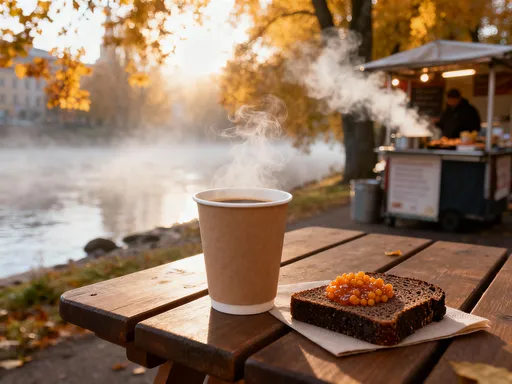
Life around Lake Balaton moves to a different tempo—one shaped by sunlight on water, the scent of ripening fruit, and the soft clink of wine glasses at dusk. This is not a place of rushed itineraries or crowded tourist traps, but of rhythm and ritual. Mornings begin with coffee sipped on floating terraces or in village squares where neighbors greet each other by name. Afternoons unfold in slow swims, lakeside reading, or strolls along tree-lined promenades where children pedal tricycles and dogs chase balls in the grass.
What makes this lifestyle so compelling is its authenticity. Unlike resorts designed solely for visitors, Balaton’s towns and villages are lived-in. Locals aren’t performing for tourists—they’re living their lives, and travelers are invited to step gently into that flow. The faházi, or traditional wooden lakefront cottages, are more than vacation rentals; they are family heirlooms, often passed down through generations. Many visitors rent these homes not for luxury, but for the feeling of belonging—of waking up to the sound of lapping waves and stepping barefoot onto sun-warmed wood.
Culture thrives here in natural harmony with relaxation. Open-air concerts fill summer evenings with classical music or folk tunes drifting across the water. Local festivals celebrate everything from wine and fish to traditional crafts and regional cuisine. Thermal spas, some dating back to Roman times, offer both healing and social connection. In towns like Balatonfüred, the kurort tradition—health-focused retreats centered on clean air, mineral waters, and gentle exercise—remains alive, attracting those seeking not just leisure, but restoration. This balance of joy and well-being is what defines the Balaton way of life: not escapism, but a deeper kind of presence.
Western Shores: Modern Energy and Thermal Escapes
The western basin of Lake Balaton pulses with contemporary energy, anchored by Siófok, the region’s largest lakeside city. Often dubbed the “Hungarian Riviera,” Siófok blends modern beach culture with family-friendly comforts. Its long, gently sloping shoreline makes it ideal for swimmers of all ages, and the wide promenade buzzes with activity—cyclists, joggers, ice cream vendors, and open-air cafes where laughter spills into the evening.
By day, the atmosphere is lively but relaxed. Beach clubs offer loungers, music, and refreshments, while public areas remain accessible and welcoming. Families spread out on towels, teenagers play paddleball, and older couples walk hand in hand along the water’s edge. The city’s infrastructure supports tourism without overwhelming it—clean restrooms, shaded picnic spots, and clear signage make navigation easy, even for first-time visitors. For children, there are playgrounds, mini-golf courses, and seasonal amusement parks that light up at dusk.
As night falls, Siófok reveals another side. Bars and clubs along the shore come alive with music, drawing both young Hungarians and international visitors. Yet even at its busiest, the city maintains a sense of safety and order—public spaces are well-lit, and local authorities ensure a family-friendly environment. This balance of excitement and accessibility makes Siófok a favorite for groups and multigenerational families alike.
Just a short drive away lies Hévíz, home to one of the world’s largest biologically active thermal lakes. Nestled in a crater basin, the lake’s warm, mineral-rich waters are renowned for their therapeutic properties, particularly for joint and muscle conditions. Visitors soak in the open-air baths year-round, surrounded by reeds and trees, often under a light mist that rises at dawn. The town’s spa resorts cater to wellness seekers, offering medical treatments alongside relaxation programs. This proximity—between vibrant Siófok and tranquil Hévíz—allows travelers to experience both energy and renewal within a single trip, a duality that defines the western shore’s unique appeal.
Northern Banks: Vineyards, Villages, and Quiet Majesty
Across the lake, the northern shore offers a striking contrast—quieter, greener, and deeply rooted in tradition. Here, the land rises into volcanic hills covered in vineyards, where grapevines have been cultivated for over a thousand years. This is Hungary’s wine heartland, producing crisp whites like Olaszrizling, Kéknyelű, and the aromatic Hárslevelű. The air carries the scent of earth, herbs, and ripening fruit, and the pace of life follows the seasons, not the clock.
Towns like Balatonfüred and Tihany are jewels of this region. Balatonfüred, once a favored retreat for 19th-century aristocrats, retains its elegance in pastel-colored villas, tree-shaded promenades, and citrus gardens that bloom in spring. It remains a center for the kurort tradition, with modern wellness centers built around natural springs. The town’s marina hosts sailing regattas in summer, while its cafes serve honey cake and strong coffee to visitors pausing between walks.
Tihany, perched on a narrow peninsula jutting into the lake, feels almost sacred. At its tip stands the historic Benedictine Abbey, founded in 1055 and home to the oldest surviving Hungarian text. Pilgrims and tourists alike climb the 123 steps to the church, rewarded with panoramic views of the lake and surrounding hills. Inside, the quiet is profound—a space for reflection, prayer, or simply stillness. The surrounding village is small, with family-run inns, artisan shops, and restaurants specializing in lake fish and homemade noodles.
Wine culture here is not a tourist performance but a way of life. Small family wineries welcome visitors for tastings in rustic cellars or sun-dappled courtyards. Many offer guided tours that explain the volcanic soil, microclimates, and traditional methods that give the wines their character. These are not grand estates, but working farms where the owner might pour the wine and the dog naps in the shade. For travelers, this intimacy creates a rare sense of connection—of tasting not just wine, but place and story.
Southern Sun: Rural Charm and Authentic Encounters
The southern shore of Lake Balaton unfolds like a pastoral poem—rolling orchards, quiet coves, and villages where life moves at the pace of ripening peaches and drying laundry. This is the least developed side of the lake, and for many, its greatest charm. Towns like Fonyód and Szántód are not built for spectacle, but for living. Here, guesthouses are run by families who grow their own vegetables, raise chickens, and serve breakfast with jam made from last summer’s fruit.
The beaches are simple—pebbly or grassy, often shaded by trees, with no loud music or crowded decks. Swimmers wade in gently, children build sandcastles at the water’s edge, and older visitors nap under umbrellas with books in hand. There are no high-rise hotels or neon signs—just modest homes, local bakeries, and markets where fishermen sell freshly caught zander and catfish. In Fonyód, the weekly market draws both locals and visitors, offering everything from handmade soap to smoked cheese and sun-warmed tomatoes still on the vine.
Farm-to-table dining is not a trend here—it’s the norm. Restaurants source ingredients from nearby fields and gardens, serving dishes like stuffed peppers, sour cherry soup, and grilled carp caught that morning. Meals are leisurely, often accompanied by local wine or homemade fruit brandy. Some guesthouses offer cooking classes, where visitors learn to make traditional Hungarian dishes using family recipes passed down for generations.
What makes the southern shore so special is its authenticity. There are no staged folk performances or souvenir stalls selling mass-produced trinkets. Instead, visitors encounter real life—farmers tending their plots, grandmothers knitting on porches, children riding bicycles down dusty lanes. This is not a place to “see” but to “be.” For travelers weary of curated experiences, the southern shore offers a rare gift: the chance to slow down, breathe deeply, and feel the warmth of genuine human connection.
Eastern Edge: Tranquility, History, and the Peninsula’s Magic
The eastern end of Lake Balaton holds a different kind of magic—one of stillness, history, and natural preservation. The Tihany Peninsula, a slender strip of land extending into the lake, is a protected landscape area, its development limited to preserve its ecological and cultural integrity. This restraint enhances its beauty, creating a sanctuary where silence is not broken, but honored.
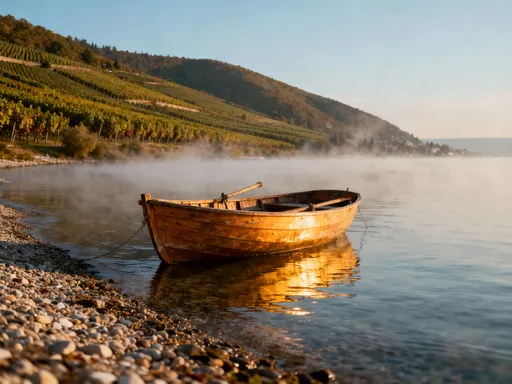
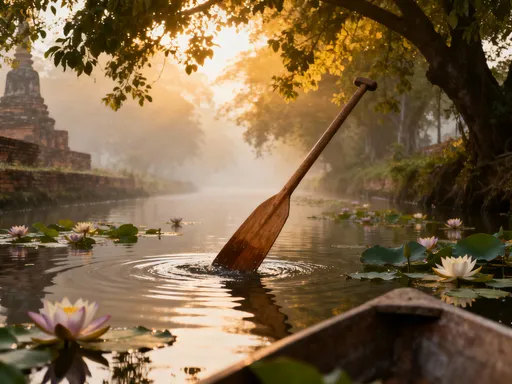
Mornings here are misty and golden. Kayakers glide across the glassy water, their paddles dipping quietly. Hikers follow winding trails through meadows dotted with wildflowers, leading to viewpoints that reveal the full sweep of the lake. The air is clean, scented with pine and wild thyme, and the only sounds are birdsong and the occasional chime from the abbey bell. It’s a place for contemplation, for walking without a destination, for sitting on a rock and watching the light change on the water.
The Benedictine Abbey remains the soul of Tihany. Though small, it carries immense historical weight. Its crypt houses the tomb of King Andrew I, and its library preserves ancient manuscripts. Visitors enter not as spectators, but as guests. The atmosphere is reverent but not forbidding—locals come to pray, tourists to reflect. In the garden, bees hum among lavender and rosemary, and a stone fountain trickles softly. This blend of nature and spirituality gives Tihany a rare depth, a sense that one is in a place where time has settled, not rushed.
Nearby, the Badacsony mountain rises from the lake like a green sentinel. Its volcanic slopes are covered in vineyards, and its summit offers one of the most breathtaking views in Hungary. On clear days, you can see across the entire lake, with villages like Lillafüred and Szigliget nestled along the shore. Cultural festivals are held here in summer, celebrating wine, music, and traditional crafts, but always on a human scale—intimate, community-driven, and respectful of the landscape. This balance of natural beauty and cultural continuity makes the eastern edge a haven for those seeking meaning as much as scenery.
Practical Magic: Navigating, Timing, and Living Like a Local
Visiting Lake Balaton with intention enhances the experience far beyond sightseeing. The key is not to rush, but to settle in. The best times to visit depend on what you seek. Summer, from June to August, offers warm weather and full programming—festivals, boat tours, and vibrant social life. But for quieter moments, consider late spring (May–early June) or early autumn (September–October), when the crowds thin, the light is soft, and the vineyards glow with color.
Getting around is straightforward. The train line runs along the western and northern shores, connecting major towns with frequent service from Budapest. Regional buses serve the southern and eastern areas, while renting a car offers flexibility, especially for exploring rural villages. But one of the most rewarding ways to travel is by bicycle. Dedicated bike paths line much of the northern and western shores, and many guesthouses offer rentals. Cycling allows you to move at the rhythm of the landscape—stopping at a lakeside cafe, pausing to watch a fisherman cast his line, or detouring to a hidden orchard.
To live like a local, start with small gestures. Learn a few Hungarian phrases—"köszönöm" (thank you), "szép napot" (have a nice day)—and use them often. Shop at farmers’ markets, eat at family-run restaurants, and stay in small guesthouses rather than large resorts. Respect nature by staying on marked trails, avoiding littering, and supporting eco-conscious businesses. Arrive early to popular spots like Tihany Abbey or the Hévíz lake to avoid crowds, and consider visiting museums or thermal baths midweek when they’re less busy.
Most importantly, allow space for the unexpected. Let a conversation with a local lead you to a hidden wine cellar. Let a wrong turn bring you to a quiet cove where you’re the only soul for miles. These unplanned moments are often the most memorable—not because they were perfect, but because they were real. Balaton rewards curiosity, patience, and presence. It doesn’t need to be conquered or documented. It simply asks to be felt.
Why Lake Balaton Stays With You
Lake Balaton doesn’t leave you because it never lets you go. It lingers in the way sunlight danced on the water at dawn, in the taste of a peach eaten under a garden tree, in the echo of church bells across the peninsula. It stays with you not as a collection of sights, but as a feeling—a sense of belonging, of peace, of having touched something true.
What makes Balaton unforgettable is its ability to hold opposites in balance: energy and stillness, tradition and modernity, celebration and solitude. It offers not one experience, but many—a patchwork of places where every traveler can find their own corner, their own rhythm, their own version of home. Whether you’re drawn to the lively shores of Siófok, the wine-scented hills of the north, the quiet orchards of the south, or the sacred stillness of Tihany, Balaton meets you where you are.
And perhaps that is its greatest gift. It doesn’t ask you to be anyone other than yourself. You don’t need to perform, to impress, or to rush. You are simply invited—to walk, to rest, to taste, to listen. To be a temporary local, a quiet observer, a grateful guest. In a world that often feels too fast, too loud, too artificial, Balaton remains a place of authenticity, of depth, of real moments. So go—not to check a box, but to find a feeling. Let the lake surprise you. Let it stay with you. Because once you’ve known Balaton, you’ll always carry a piece of its quiet magic within you.