You Won’t Believe These Hidden Natural Gems in Ayutthaya
Ayutthaya isn’t just ancient ruins and temples—it’s also home to breathtaking natural landscapes most tourists completely overlook. I was surprised to find serene rivers, lush green fields, and quiet lotus-filled canals that felt worlds away from the usual tourist trails. If you're chasing that perfect, off-grid Instagram shot surrounded by nature, this historic Thai city has some unexpected magic. Let me take you where the guidebooks don’t. What many travelers miss is that Ayutthaya, once the capital of the Siamese Kingdom and now a UNESCO World Heritage Site, sits on an island formed by the confluence of three rivers—the Chao Phraya, the Pa Sak, and the Lopburi. This unique geography doesn’t just shape its history; it nurtures a living landscape of waterways, wetlands, and seasonal farmland that bloom with quiet beauty. Beyond the well-trodden paths of Wat Mahathat and Wat Phra Si Sanphet lies a softer, greener Ayutthaya—one that invites stillness, reflection, and connection with nature.
Beyond the Temples: Ayutthaya’s Secret Side
Ayutthaya is best known for its magnificent temple ruins, where stone Buddha heads nestle among tree roots and crumbling stupas rise against the sky. These sites draw thousands of visitors each year, and rightly so—they are awe-inspiring remnants of a powerful empire. Yet this focus on the past often overshadows the present-day natural charm that envelops the city. The island setting, surrounded by water and crisscrossed with canals, fosters an ecosystem rich in biodiversity and visual serenity. While tourists gather at midday to photograph the iconic Buddha head in the banyan tree, just a short bicycle ride away, farmers tend rice paddies that ripple like silk in the breeze, and lotus blossoms open slowly on quiet waterways.
What makes Ayutthaya’s natural side so special is its authenticity. Unlike curated parks or commercialized eco-tours, these landscapes are part of everyday life. Water buffalo still graze near the fields, children play along canal banks, and elders fish from wooden boats at dusk. There is no entrance fee, no souvenir shop, no signage—just the rhythm of rural Thailand continuing quietly alongside ancient history. This duality—between monumental heritage and humble, living nature—creates a travel experience that is both grounding and enriching. For those willing to look beyond the guidebook highlights, Ayutthaya offers a rare opportunity to witness history not just in stone, but in the flow of water, the growth of rice, and the stillness of dawn over the river.
The Chao Phraya’s Quiet Charm
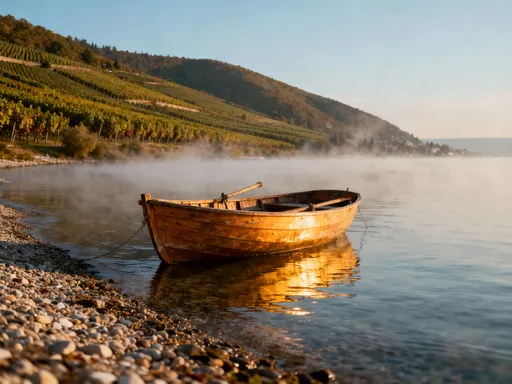
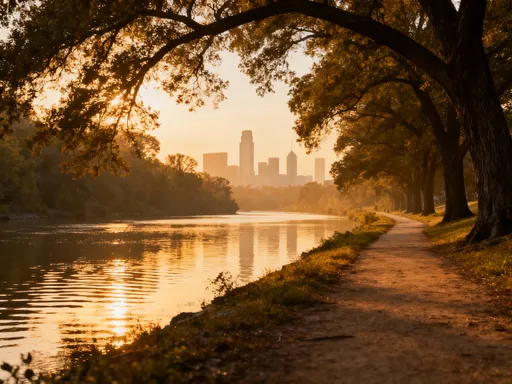
The Chao Phraya River is the lifeblood of central Thailand, and in Ayutthaya, it wraps around the city like a silver ribbon. While many visitors view the river from tourist boats during the day, few take the time to experience its quieter moments. Early in the morning, especially between November and February when the air is cool and clear, the river transforms into a mirror of soft gold and rose pink as the sun rises. Mist hovers just above the surface, and the only sounds are the gentle lap of water against the banks and the distant call of a farmer starting the day.
Scenic viewpoints along the riverbanks—such as those near the lesser-known Wat Chaiwatthanaram on the west side of the island—offer peaceful vantage points away from crowds. Here, you can sit on a wooden bench or crouch at the water’s edge and watch long-tail boats glide by, their engines a low hum in the distance. The reflections of palm trees and temple spires shimmer in the current, creating compositions that feel almost painterly. Local life unfolds along the banks: women wash clothes, men repair fishing nets, and children leap into the water for a morning swim. These are not staged performances for tourists; they are ordinary moments in a riverside community that has lived in harmony with the water for generations.
For those seeking even more seclusion, small boat paths branch off from the main river into narrower khlongs. These routes, navigable by small paddle or electric boats, lead to hidden stretches where overhanging trees form a natural canopy and kingfishers dart between branches. While motorized tours follow fixed circuits, hiring a local boatman for a personalized trip allows access to these quieter zones. The experience is not about speed or sightseeing checklists, but about drifting slowly, absorbing the stillness, and feeling the cool river breeze on your skin. It’s a reminder that sometimes the most meaningful travel moments come not from seeing more, but from being present in a place where time moves differently.
Paddy Fields That Glow at Golden Hour
Surrounding Ayutthaya’s historical park are vast expanses of rice fields that stretch toward the horizon. These agricultural landscapes are often overlooked by travelers focused on temples, yet they are among the most visually striking features of the region. Depending on the season, the fields shift in color and texture—lush emerald green during the rainy season from June to October, and golden brown as the rice matures between November and February. At golden hour, when the sun hangs low in the sky, the light transforms these fields into a glowing canvas, with every stalk catching the warm, diffused rays.
Photographers and nature lovers alike find these open spaces invaluable. In a city where most attractions are compact and densely packed with ruins and visitors, the rice fields offer rare expanses of wide-angle beauty. A simple walk along a dirt path between the plots allows for unobstructed views, framing the horizon with soft gradients of light and shadow. The contrast between the ancient city and the living farmland is profound—one shaped by human hands centuries ago, the other sustained by ongoing cycles of planting and harvest. This continuity is part of what makes Ayutthaya so special: history is not frozen here, but woven into the fabric of daily life.
Visiting the rice fields requires no special access or tickets. Many are just a short bike ride from the city center, especially along roads leading toward the northern and eastern edges of the island. The best times to visit are early morning or late afternoon, when the light is most flattering and the heat of the day has subsided. It’s important to respect the land—staying on designated paths, avoiding trampling crops, and not disturbing farmers at work. Some local families welcome quiet visitors and may even share a smile or a nod, appreciating the interest in their way of life. For travelers seeking authenticity, these fields offer a humbling reminder of the quiet dignity of rural Thailand.
Hidden Canals and Lotus-Filled Waterways
One of Ayutthaya’s most enchanting natural features is its network of khlongs—narrow canals that weave through the countryside like veins. These waterways, once used for transportation and irrigation, are now quiet corridors of natural beauty. In certain sections, especially in the outskirts and rural villages, the canals are lined with lotus plants whose pink and white blossoms float serenely on the surface. The sight of these flowers, opening slowly with the morning sun, is both delicate and powerful—a symbol of purity and resilience in Thai culture.
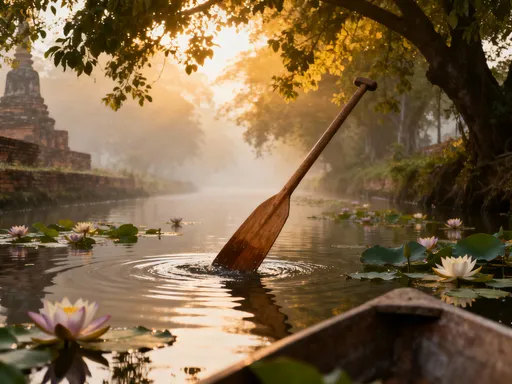
Paddling through these canals in a small wooden boat is like stepping into a dream. The water is still, reflecting the sky and the overhanging branches of tamarind and banyan trees. Small wooden footbridges cross the khlongs at intervals, connecting homes and farms. Birds flit between reeds, and dragonflies hover above the lotus pads. There are no loud engines, no crowds, no rush—just the quiet dip of the paddle and the occasional call of a village dog. These canals remain largely untouched by mass tourism, not because they are difficult to reach, but because they are not marketed or labeled as attractions. They are simply part of the landscape, used by locals for fishing, irrigation, and daily travel.
Exploring these waterways offers a rare sense of discovery. Unlike the main river tours, which follow predictable routes, the smaller khlongs require a local guide or a willingness to wander slowly and observe. Some community-based tourism initiatives now offer guided paddle tours, led by residents who know the best spots and respect the environment. These experiences are not about ticking off sights, but about immersion—learning how water shapes life in this region, understanding the rhythm of the seasons, and appreciating the quiet beauty of a place that exists outside the tourist gaze. For those seeking peace and connection, these lotus-filled canals are among Ayutthaya’s most precious gifts.
Why Nature Lovers Are Getting Hooked
In recent years, there has been a growing shift in travel preferences, with more people seeking experiences that combine cultural depth with natural tranquility. Ayutthaya, with its dual identity as a historical treasure and an ecological haven, fits this trend perfectly. Travelers are no longer satisfied with just checking off landmarks—they want to feel something, to slow down, to reconnect. The presence of rivers, fields, and canals around the ancient city offers exactly that: a chance to balance the intellectual stimulation of history with the emotional nourishment of nature.
Research in environmental psychology supports the idea that exposure to natural settings reduces stress, improves mood, and enhances mental clarity. Being near water, in particular, has been associated with a sense of calm and mindfulness—a phenomenon sometimes called “blue mind” by scientists. In Ayutthaya, this effect is amplified by the gentle pace of life, the absence of urban noise, and the visual harmony of green fields meeting ancient spires. For women between 30 and 55—many of whom juggle family, work, and personal well-being—this kind of travel offers a rare opportunity to reset. It’s not about luxury spas or crowded resorts, but about finding peace in simplicity: watching a sunrise over the rice fields, listening to birdsong along a quiet canal, or feeling the breeze on the river as the day begins.
Moreover, Ayutthaya’s natural landscapes provide a different kind of storytelling. While temples speak of kings and wars, the fields and waterways speak of cycles, patience, and resilience. They reflect a way of life that values harmony with nature—a message that resonates deeply in today’s fast-paced world. For families traveling with children, these spaces also offer safe, open areas for exploration and learning. Kids can see where rice comes from, learn about local plants, and experience a version of Thailand that is not filtered through tourist shops or theme parks. This blend of education, beauty, and emotional renewal is what makes Ayutthaya’s natural side so compelling.
Smart Ways to Explore Without the Crowds
One of the best ways to experience Ayutthaya’s hidden nature is by bicycle. The city is flat, and many rural roads are well-suited for casual riders. Renting a bike from a local shop—often for less than five dollars a day—allows you to set your own pace and venture off the main tourist routes. Early morning rides are especially rewarding, when the air is cool and the light is soft. Routes along the outer ring of the island, particularly toward the north and east, lead to quiet villages, rice fields, and canal paths that few visitors explore.
Hiring a local guide is another smart choice, especially for those unfamiliar with the area. Many guides are former farmers or lifelong residents who know the best times to visit certain spots, where lotuses bloom, or which riverbanks offer the clearest reflections. They can also share stories about local customs, plant names, and seasonal changes—knowledge that enriches the experience far beyond what a map or app can provide. Community-based tourism programs, supported by local cooperatives, offer ethical and sustainable ways to engage with these landscapes while ensuring that tourism benefits the people who live there.
Timing is also crucial. Arriving at popular natural spots—like the riverbanks near Wat Chaiwatthanaram or the edge of the rice fields—before 8 a.m. or after 4 p.m. means avoiding both the heat and the crowds. Weekdays are generally quieter than weekends, when local families visit for leisure. Travelers should also practice eco-friendly habits: staying on marked paths, avoiding littering, not picking flowers or disturbing wildlife, and respecting private farmland. These small actions help preserve Ayutthaya’s natural beauty for future visitors. The goal is not to conquer a checklist, but to move gently through the landscape, leaving only footprints and taking away memories.
Capturing the Moment: Tips for Instagram-Worthy Shots
In the age of social media, many travelers want to capture not just memories, but meaningful images that reflect their journey. Ayutthaya’s natural settings offer endless opportunities for authentic, heartfelt photography. The key is to focus on light, composition, and patience. Golden hour—shortly after sunrise and before sunset—provides the most flattering light, casting a warm glow over rice fields, rivers, and lotus ponds. During this time, shadows are soft, colors are rich, and the atmosphere feels almost magical.
When composing shots, consider using natural frames: the curve of a canal, the arch of a wooden bridge, or the reflection of a tree in still water. These elements add depth and storytelling to your photos. Reflections, in particular, are abundant in Ayutthaya—on the river, in flooded fields, or in the surface of lotus ponds. A low-angle shot can turn a simple puddle into a mirror of the sky. Simplicity often works best; a single lotus flower against a blurred background, or a lone bicycle leaning against a tree by the canal, can be more powerful than a cluttered scene.
For gear, a lightweight mirrorless camera or even a high-quality smartphone is sufficient. Many modern phones have excellent low-light capabilities and portrait modes that work well in natural settings. Apps like Lightroom Mobile or Snapseed allow for subtle editing on the go—adjusting brightness, contrast, or warmth to enhance, not distort, the image. But the most important tool is not technology, but presence. The best photos often come when you’ve stopped chasing the perfect shot and simply allowed yourself to be still. A child laughing on a footbridge, a farmer guiding water buffalo through a field, or mist rising off the river at dawn—these unposed moments are the ones that truly capture the soul of Ayutthaya.
It’s also worth remembering that sharing these images online can inspire others to explore responsibly. When you post a photo, consider adding a note about how you got there—by bike, with a local guide, at sunrise—to encourage mindful travel. Tagging community-based tourism initiatives or eco-friendly operators helps support sustainable practices. And most importantly, resist the urge to stage or alter scenes for the sake of a photo. Authenticity is what makes these places special, and preserving that integrity ensures they remain beautiful for generations to come.
Ayutthaya’s true beauty lies not only in its stone ruins but in the living, breathing nature that cradles them. By venturing beyond the temples, travelers discover a softer, more intimate side of Thailand—one that’s just as shareable and soul-nourishing. The next time you plan a trip, remember: sometimes the most unforgettable views are the ones no one told you about. They’re found in the quiet ripple of a canal, the golden hush of a rice field at sunset, or the first light dancing on the Chao Phraya. These are not just backdrops for photographs—they are invitations to slow down, to listen, and to remember that the heart of travel is not in the destination, but in the moments of connection we find along the way.