You Won’t Believe These Instagram-Perfect Spots in Banff
If you’ve ever scrolled through Instagram and dreamed of landscapes so unreal they look photoshopped, Banff is the place that turns fantasy into reality. Nestled in the heart of the Canadian Rockies, this alpine paradise blends turquoise lakes, snow-capped peaks, and charming mountain towns into one breathtaking experience. As someone who thought they’d seen beautiful places, I was completely unprepared for how alive everything feels here—every trail, viewpoint, and quiet moment radiates pure magic. This isn’t just travel; it’s visual poetry. From the moment you step onto a forest path or gaze across a glassy alpine lake, Banff wraps you in a sense of wonder that no filter can replicate. It’s no surprise that this destination has become a beacon for travelers seeking beauty, stillness, and connection—with nature and with themselves.
Why Banff Became an Instagram Sensation
Banff National Park, established in 1885, is Canada’s oldest national park and a UNESCO World Heritage Site, renowned for its dramatic mountain scenery, glacial lakes, and abundant wildlife. But in the age of digital storytelling, its fame has reached new heights—literally and figuratively—through the lens of Instagram. The park’s naturally vivid landscapes, particularly its brilliantly colored lakes, possess a visual magnetism that stops scrollers in their tracks. The phenomenon isn’t accidental; it’s the result of unique geology meeting perfect lighting conditions, all set against a backdrop of pristine wilderness.
The reason certain spots in Banff dominate social media feeds lies in their visual contrast and clarity. Take, for example, the suspended rock flour in glacial meltwater—fine particles ground by ancient ice that reflect sunlight in a way that transforms ordinary lakes into luminous turquoise masterpieces. This natural effect, seen in full glory at places like Lake Louise and Moraine Lake, creates a surreal hue that feels more like a digital edit than reality. When paired with towering peaks, evergreen forests, and mirror-like water surfaces, the result is a composition that photographers and content creators dream of.
Social media has played a pivotal role in shaping modern travel behavior, with platforms like Instagram acting as virtual travel agents. A single viral photo can elevate a remote location into a global must-see. Banff, already celebrated for its natural splendor, has benefited immensely from this shift. Influencers, travel bloggers, and everyday adventurers share their experiences, creating a collective visual narrative that reinforces the park’s reputation as a dream destination. The cascading effect of shares, likes, and tags has turned Banff into a self-sustaining cycle of discovery and admiration.
But beyond aesthetics, the consistency of Banff’s beauty across seasons adds to its appeal. Whether dusted in winter snow or glowing under autumn’s golden larch trees, the park offers year-round photogenic potential. This reliability makes it not just a one-time visit destination, but a place worth returning to, season after season, for fresh content and renewed inspiration. The park’s well-maintained trails, visitor services, and accessibility further enhance its suitability for both amateur and professional creators.
The Magic of Lake Louise: More Than Just a Pretty Picture
Lake Louise is perhaps the most iconic image associated with Banff, and for good reason. Nestled at the base of Victoria Glacier, this glacial lake dazzles with its emerald-green waters, framed by dense pine forests and rugged mountain ridges. The Fairmont Chateau Lake Louise, a grand historic hotel with Swiss alpine architecture, sits on its eastern shore, adding a touch of elegance to an already majestic scene. Every year, thousands of visitors arrive early in the morning hoping to capture the lake’s mirror-like reflection, especially when the water is still and the peaks perfectly double in the surface.
But Lake Louise is more than a backdrop for photos—it’s a living, breathing part of the mountain ecosystem. The vibrant color of the water comes from glacial silt carried down from the Victoria Glacier, which remains active and continues to shape the landscape. The surrounding area offers a variety of ways to experience its beauty beyond the main viewpoint. For a unique perspective, visitors can rent a canoe and paddle across the lake at sunrise, when the air is crisp and the light softens the sharp edges of the mountains. From the water, the scale of the glacier and the silence of the valley become truly palpable.
To avoid crowds, timing is essential. The best hours for photography are between 5:30 and 7:30 a.m., when the golden morning light bathes the peaks and the parking lots are still empty. In recent years, Parks Canada has implemented a shuttle system during peak season to reduce traffic and protect the environment. Visitors are encouraged to use the Roam Public Transit shuttle from Banff townsite, which not only eases congestion but also allows for a more relaxed start to the day. Reservations for parking or shuttle access are recommended, especially between June and September.
For those seeking elevated views, the Lake Agnes Tea House trail offers a rewarding hike with multiple photo opportunities. The 3.5-kilometer ascent passes through forested switchbacks and alongside a small waterfall before opening up to a historic tea house operated by Parks Canada since 1905. Along the way, hikers are treated to panoramic views of Lake Louise and the surrounding valley. The tea house itself, serving hot drinks and homemade treats, adds a nostalgic charm that contrasts beautifully with the wild landscape. This blend of natural wonder and human history makes Lake Louise not just a visual highlight, but an emotional one as well.
Moraine Lake: A High-Altitude Dream with a Story
If Lake Louise is royalty, Moraine Lake is the crown jewel. Located in the Valley of the Ten Peaks, this high-altitude lake sits at 1,885 meters and is surrounded by ten towering mountains, each exceeding 3,000 meters in height. Its vivid blue water, fed by the Llewellyn Glacier, is even more intense than Lake Louise’s, and the compact, dramatic setting creates a sense of awe that’s hard to match. For decades, Moraine Lake appeared on the back of the Canadian $20 bill, a testament to its national significance and iconic status.
Due to its fragile ecosystem and limited access road, Moraine Lake is only open to private vehicles for a short window each year—typically late June to early October—and even then, access is highly restricted. As of recent regulations, personal vehicles are no longer allowed during peak hours, and visitors must arrive via shuttle, bike, or on foot. The Roam Transit shuttle from Lake Louise Junction is the most common option, requiring advance booking during summer months. This policy, while inconvenient for some, helps preserve the site and ensures a more peaceful experience for those who do make the journey.
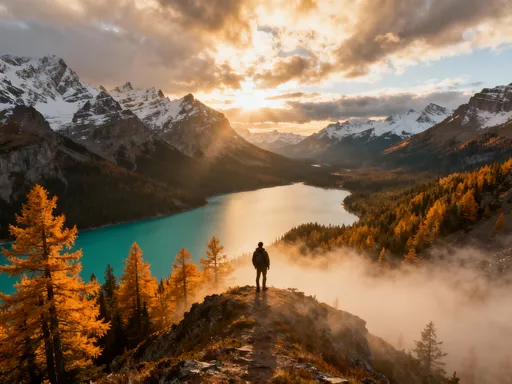
The most popular trail for capturing Moraine Lake’s grandeur is the Rockpile Trail, a short but steep 10-minute climb from the parking area that opens up to a panoramic view of the entire lake and valley. Standing at the top, surrounded by silence and staggering beauty, it’s easy to understand why this spot has become a pilgrimage for photographers. The reflection of the Ten Peaks in the still water is so precise it feels like looking into another world. During early autumn, the larch trees on the surrounding slopes turn golden, adding a warm contrast to the cool blues and grays of the landscape.
For a more immersive experience, the Larch Valley hike extends beyond the Rockpile to a higher alpine meadow, especially stunning in late September when the larch needles turn bright yellow. This moderate 5-kilometer trail offers continuous views of the lake and surrounding peaks, with opportunities to spot marmots, pikas, and even the occasional black bear. The air at this elevation is thin and crisp, and the sense of remoteness is profound. It’s a place where time slows, and the mind quiets—where the act of taking a photo becomes secondary to simply being present.
Hidden Gems Beyond the Hashtags: Lesser-Known but Equally Stunning Areas
While Lake Louise and Moraine Lake dominate social media, Banff is filled with quieter, equally breathtaking spots that offer solitude and serenity without sacrificing visual impact. These under-the-radar locations provide a chance to experience the park’s beauty on a more personal level, away from the crowds and noise. One such place is the Peyto Lake viewpoint, accessible via a short walk from the Icefields Parkway. Named after a park ranger with wavy hair resembling the lake’s shape, Peyto Lake’s bright blue waters swirl into a wolf’s head formation when viewed from above. The elevated boardwalk ensures safety and protects the alpine vegetation, while offering one of the most dramatic aerial perspectives in the park.
Another hidden treasure is Johnston Canyon, particularly magical in winter when its waterfalls freeze into towering ice formations. A well-maintained catwalk system leads visitors through narrow limestone canyons, past roaring water and delicate ice sculptures. The Lower Falls, reached after a 1.1-kilometer walk, are especially photogenic, framed by ice-covered cliffs and glowing under winter sunlight. In summer, the same trail bursts with greenery and rushing water, offering a completely different but equally enchanting experience. The accessibility and year-round appeal of Johnston Canyon make it a favorite among locals and seasoned travelers alike.
Vermilion Lakes, just a short drive from Banff townsite, offers one of the best sunrise spots in the region. This series of three shallow lakes reflects Mount Rundle in stunning clarity, especially on calm mornings. With minimal facilities and no admission fee, it’s a peaceful retreat for early risers, birdwatchers, and photographers. The surrounding wetlands are home to ducks, herons, and sometimes even moose, adding a dynamic element to the scenery. Unlike the more commercialized sites, Vermilion Lakes encourages quiet contemplation and connection with the natural world.
Other overlooked spots include Lake Minnewanka, Alberta’s largest alpine lake, which offers boat tours and lakeside hiking, and the Hoodoos viewpoint along the Bow Valley Parkway, where eroded rock formations stand like ancient sentinels. These places may not have millions of hashtags, but they carry a deeper sense of discovery. They remind us that beauty doesn’t always need validation through likes—it can be quietly profound, deeply personal, and just as unforgettable.
Banff Townsite: Where Charm Meets Adventure
The town of Banff is more than just a basecamp—it’s a destination in its own right. Nestled along the Bow River and surrounded by mountains, the town blends rustic charm with modern amenities, creating a welcoming atmosphere for visitors of all ages. Its main street, Banff Avenue, is lined with locally owned boutiques, cozy cafes, and restaurants serving everything from bison burgers to artisan pastries. The architecture, influenced by the Canadian Rockies’ alpine style, features wooden beams, stone facades, and steeply pitched roofs that look like they belong in a storybook.
For photographers and content creators, Banff townsite offers endless opportunities for lifestyle imagery. The cascading lights along Banff Avenue at dusk, the steam rising from a coffee cup on a winter morning, or a family walking past a flower-filled planter in summer—all of these moments capture the essence of mountain living. The Cascade Gardens, a beautifully landscaped park in the heart of town, blooms with color from late spring to early fall and provides a serene spot for relaxation or a quiet photo session.
Just outside town, Sulphur Mountain rises dramatically, accessible via a scenic gondola ride or a challenging hike up the Sulphur Mountain Trail. At the summit, the Banff Gondola offers 360-degree views of six mountain ranges, the Bow Valley, and the town below. The interpretive boardwalk and Cosmic Ray Station add educational value, while the Sky Bistro provides a chance to enjoy a meal with one of the most spectacular views in the country. Whether you’re capturing the golden light of sunset or the first snowfall of the season, Sulphur Mountain delivers consistently stunning backdrops.
Banff also hosts seasonal events that enhance its visual appeal, from the Banff Mountain Film Festival in fall to the Christmas Market in winter. These gatherings bring the community together and create vibrant, human-centered moments that complement the natural scenery. The town’s ability to balance tourism with authenticity makes it not just a place to visit, but a place to feel at home.
Seasonal Themes That Redefine Beauty
Banff’s landscape is never static—it transforms completely with each season, offering distinct visual themes that attract visitors year-round. Summer, from June to August, brings long days, wildflower blooms, and accessible trails. This is the peak season for hiking, canoeing, and wildlife viewing, with elk, deer, and bears more commonly seen in the valleys. The lakes are at their clearest, and the air is filled with the scent of pine and fresh water. It’s the ideal time for capturing vibrant, energetic content that celebrates outdoor adventure.
Fall, particularly September and early October, is a hidden gem for photographers. The alpine larch trees, which are rare in North America, turn a brilliant gold before shedding their needles. Hikes to Larch Valley, Sentinel Pass, or Sunshine Meadows become golden corridors, with sunlight filtering through yellow needles and reflecting off snow-dusted peaks. The cooler temperatures and fewer crowds make it a peaceful time to explore, and the changing colors add a painterly quality to every shot.
Winter, from November to March, transforms Banff into a snow-globe wonderland. The town twinkles with holiday lights, and the mountains are blanketed in white. Ice walks at Johnston Canyon, snowshoeing through frozen forests, and skiing at Mount Norquay or Sunshine Village offer both adventure and aesthetic beauty. The contrast of dark evergreens against fresh snow, the soft glow of sunrise over frozen lakes, and the warmth of a lodge fireplace create a cozy, intimate visual narrative perfect for storytelling.
Spring, though less predictable, brings its own magic. As the snow melts, waterfalls swell, and the first green shoots emerge. Bird migration returns, and the park begins to awaken. While some high-elevation trails remain closed, lower areas like the Fenland Trail or the Bow River Pathway offer gentle walks with rewarding views. This transitional season reminds us that beauty isn’t just in perfection—it’s in renewal, in quiet growth, in the promise of what’s to come.
Capturing the Moment: Practical Tips for Stunning Travel Content
Creating beautiful travel content in Banff doesn’t require professional gear or advanced skills—just patience, preparation, and respect for the environment. The golden hours—shortly after sunrise and before sunset—offer the most flattering light, with warm tones enhancing the colors of the lakes and mountains. Midday light, especially in summer, can be harsh and create strong contrasts, so planning shoots for early morning or late afternoon yields the best results.
For photography, a wide-angle lens is ideal for capturing expansive landscapes, while a telephoto lens can isolate details like a distant peak or a bird in flight. A tripod is essential for long exposures, especially when photographing waterfalls or starry skies. Many of Banff’s best nightscapes can be captured from the Vermilion Lakes or the Icefields Parkway, where light pollution is minimal and the Milky Way often glows overhead.
Composition techniques such as the rule of thirds, leading lines, and foreground interest can elevate a simple snapshot into a compelling image. Reflections on still water, for example, create symmetry and depth. Including a human element—a hiker on a trail, a canoe on a lake—adds scale and narrative to wide shots. But beyond technical tips, the most powerful content comes from authenticity. Sharing not just the perfect view, but the moment of awe, the chill in the air, the sound of wind through the trees—these details create connection.
Equally important is responsible tourism. Staying on marked trails, packing out all trash, and keeping a safe distance from wildlife are non-negotiable. Banff is a protected ecosystem, and every visitor plays a role in preserving it. Avoiding drones in restricted areas, refraining from trampling fragile alpine plants, and respecting closures are part of being a mindful traveler. The goal should never be just to get the shot, but to honor the place that made it possible.
In the end, Banff’s true power lies not in how many likes a photo receives, but in how it changes the person who experiences it. It’s a place that invites slowness, presence, and reverence. Whether you’re framing a perfect reflection or simply sitting in silence by a mountain stream, the message is the same: beauty is not just to be captured, but to be felt. And in a world that often feels too fast, too loud, too digital, Banff remains a quiet reminder of what truly matters.